ad

Only 1 in 20 employees receives higher travel allowance for expensive fuel
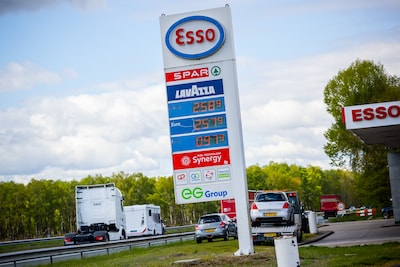
Only 1 in 20 employees receives higher travel allowance for expensive fuel

Only one in twenty employees is receiving an increased travel allowance to compensate for rising fuel prices, as employers largely fail to address the high cost of commuting. Despite warnings that gasoline prices are expected to climb even further, very few workers have seen adjustments to their compensation.

Related articles

Companies using AI pay insufficient attention to impact on staff

Companies using AI pay insufficient attention to impact on staff

Companies implementing artificial intelligence are failing to adequately consider the impact on their employees. The adoption of AI often leads to changes in task complexity and mental workload, requiring better support systems for workers.

It proved child’s play to make a Russian oligarch pay a billion euros too much for his paintings

It proved child’s play to make a Russian oligarch pay a billion euros too much for his paintings

Die On This Hill singer Sienna Spiro to perform in Amsterdam in March

Die On This Hill singer Sienna Spiro to perform in Amsterdam in March

British singer Sienna Spiro, known for her hit "Die On This Hill," will perform at the Gashouder in Amsterdam on March 14, 2027. The event was announced by concert organizer MOJO.

Late bloomer Niels Reemeijer (23) aims to push limits after Tour of Albania victory: 'I love very tough races'

Late bloomer Niels Reemeijer (23) aims to push limits after Tour of Albania victory: 'I love very tough races'

23-year-old cyclist Niels Reemeijer from Spaarndam has achieved a career highlight by winning the Tour of Albania. Having started his journey in Haarlem's Muggenronde, the self-described late bloomer is now seeking a professional team to further his career in challenging races.

40 percent of GP practices in disadvantaged neighborhoods need support

40 percent of GP practices in disadvantaged neighborhoods need support

Approximately 40% of general practitioner practices in disadvantaged Amsterdam neighborhoods are still waiting for specialized support assistants to help patients whose physical symptoms are caused by social issues like poverty or homelessness. The 'Krachtige Basiszorg' initiative has expanded to 43 practices over eight years, successfully reducing GP workloads and healthcare costs by addressing the root causes of patients' stress. Despite its success, many clinics in the city continue to lack the necessary funding and personnel to provide this integrated care.