parool
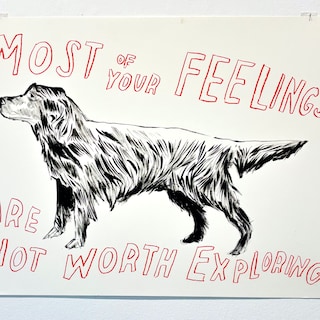
Meet artist Dave Eggers this Saturday: his drawings are a hobby with a charity twist
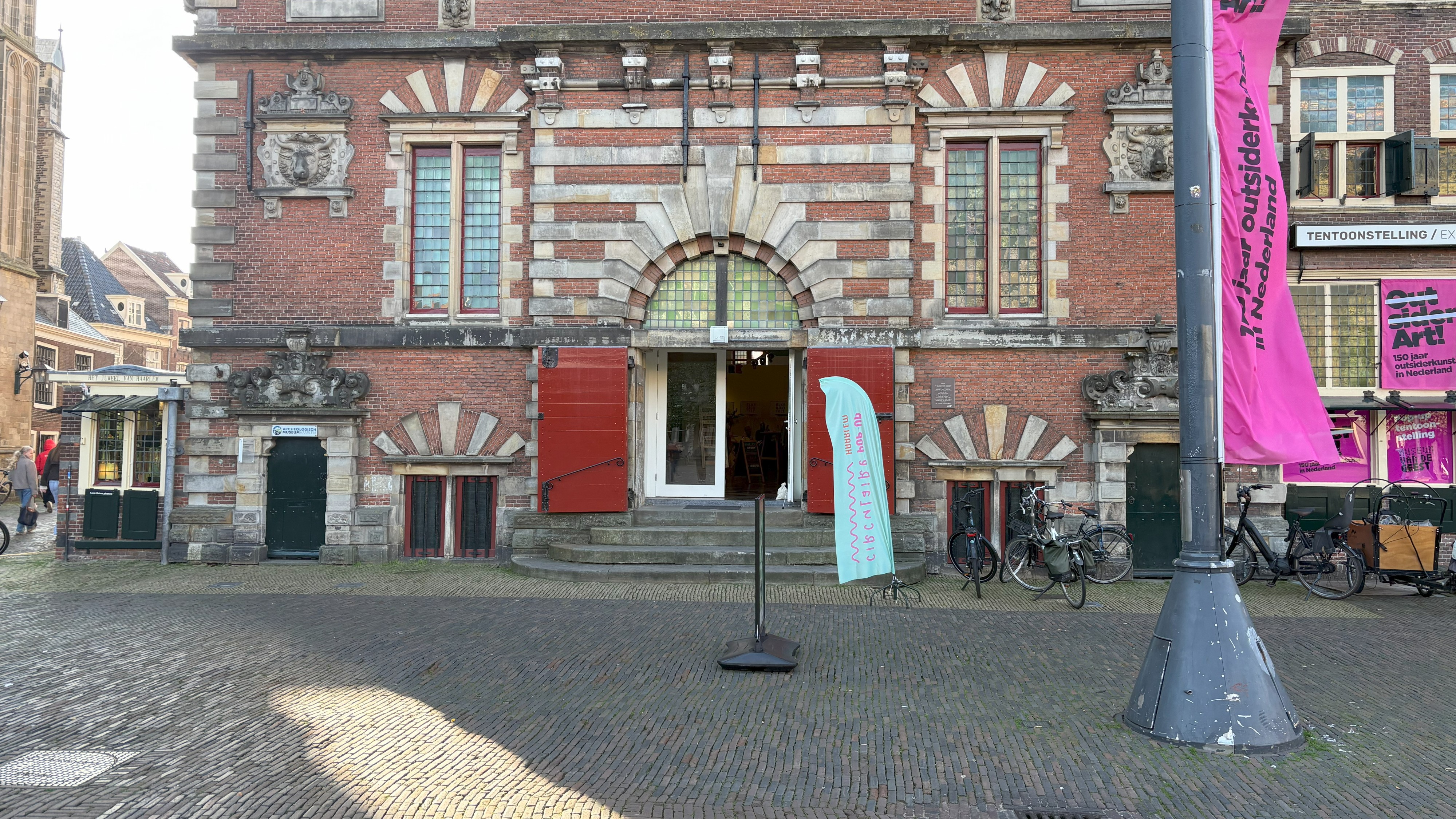
A Circulaire Pop-up event is open at the Vleeshal on the Grote Markt in Haarlem until December 30. Visitors can participate in workshops, swap clothes, and learn how to reuse or repair materials as part of a local sustainability initiative.
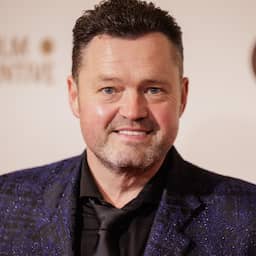
Dutch singer Frans Duijts is taking a mandatory six-week break from his professional career after suffering a heart attack. All of his scheduled concerts during this recovery period, including performances in November, have been cancelled to ensure he receives the rest he needs.

Actress Selma Blair revealed that she once used alcohol to self-medicate for nerve pain before being diagnosed with multiple sclerosis. Her comments emerged shortly after she was arrested at John F. Kennedy International Airport, an incident her legal team attributes to missed neurological medication.
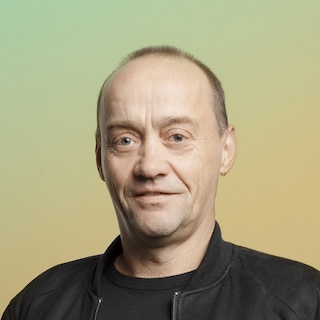

Rapper Lil Jon shared the emotional challenges he faced following the death of his 27-year-old son, Nathan Smith, earlier this year. He expressed deep gratitude for his daughter, whose love and support have been instrumental in his recovery process while he simultaneously launched his new memoir.
We would like to use Google Analytics cookies to see how the site is used. They are optional — decline and no cookies are set. Privacy Policy