nu

Groundwater levels remain very low despite rain, and measures are still lacking
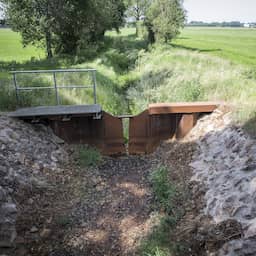
Groundwater levels remain very low despite rain, and measures are still lacking

Groundwater levels in the Netherlands remain exceptionally low, causing concern for both ecosystems and infrastructure as usage continues largely unregulated. Experts are calling for stricter management and better water retention strategies, though the transition faces significant political and economic challenges.

Groundwater levels in the Netherlands remain critically low despite recent rainfall, creating concerns for the upcoming year. While many regions restricted the use of surface water for irrigation, groundwater extraction often remained permitted, putting further strain on a resource that provides 60 percent of the country's drinking water. Experts warn that the lack of clear data on small-scale usage, such as by farmers, complicates management efforts. Furthermore, falling water tables threaten ecosystems and risk significant infrastructure damage due to soil subsidence in urban areas.

Efforts to regulate groundwater usage have stalled following the cancellation of previous policy packages by the current cabinet. Hydrologists and policy experts argue for more stringent, region-specific limits on water extraction and a shift toward retaining water during the winter months. However, implementing these changes involves complex trade-offs, particularly for the agricultural sector, which may face operational challenges or require financial compensation for increased water levels. Balancing the needs of nature, agriculture, and urban stability remains a difficult challenge for national water management authorities.

Based on reporting by nu. Translated and condensed by LocalHeadlines.
Related articles

China and the US are going full throttle on AI, the EU is hitting the brakes: how wise is that?

China and the US are going full throttle on AI, the EU is hitting the brakes: how wise is that?

While China and the United States push ahead with rapid AI development, the European Union maintains a cautious stance focused on strict regulation. Critics argue this approach hampers European innovation and sovereignty, while proponents believe responsible testing and a focus on specialized quality are essential for sustainable growth.

Schiphol passport control running smoothly again after outage

Schiphol passport control running smoothly again after outage

Passport control at Schiphol Airport experienced significant delays on Sunday morning due to a technical failure that disabled automated scanning gates. The issue, which lasted until mid-afternoon, caused long queues and forced passengers to be processed manually, leading to missed flights for some travelers.

Long wait times at Schiphol due to electronic passport control failure

Long wait times at Schiphol due to electronic passport control failure

Schiphol Airport is facing significant passenger delays after a technical failure incapacitated its automated eGate passport control system on Sunday morning. Royal Netherlands Marechaussee officers are currently conducting manual checks as they investigate the cause of the malfunction, which is not believed to be a cyberattack.

The Greenhouse | I prefer to jump on the facts rather than the barricade

The Greenhouse | I prefer to jump on the facts rather than the barricade

A climate journalist explores the tension between objective reporting and the pressure to advocate for systemic change to combat the climate crisis. The author concludes that journalists should remain factual rather than activist to effectively reach a wide and diverse audience.

Trade with Russia remains lucrative, but companies face risks

Trade with Russia remains lucrative, but companies face risks

Despite 21 rounds of European Union sanctions against Russia, some businesses continue to profit by using third-party countries to bypass export restrictions. Experts warn that while such trade is lucrative, it carries significant legal risks, including criminal prosecution and prison time for those who intentionally circumvent these measures.