nu

Victoria Beckham fashion brand turns a profit for the first time
Victoria Beckham fashion brand turns a profit for the first time

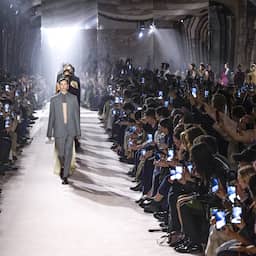
Victoria Beckham Holdings has reported its first operating profit since being founded in 2008, driven by a 15 percent revenue increase and disciplined cost management. The fashion brand’s minimalist quiet luxury aesthetic has proven resilient despite wider economic challenges and declining demand affecting the broader luxury sector.

Victoria Beckham Holdings has achieved an operating profit for the first time since the company's inception in 2008. The fashion brand reported a 15 percent increase in annual revenue, reaching 129.8 million pounds, or approximately 151 million euros, for 2025. This turnaround follows years of financial losses and was largely attributed to strict cost-management measures alongside strong demand for the label's signature minimalist quiet luxury aesthetic.

The company’s performance stands out as many other luxury brands face significant headwinds. While consumers are currently reducing spending on non-essential goods due to the rising cost of living and geopolitical instability, Beckham’s focus on tailored, high-end everyday wear has remained resilient. Despite growing competition from rivals like The Row, the business—largely owned by Victoria and David Beckham—also saw its cosmetics division record one of its most successful years to date. This growth marks a major financial milestone for the label in a challenging global market.

Based on reporting by nu. Translated and condensed by LocalHeadlines.
Related articles

Not selling out is not a death blow for festival: 'But be careful not to price yourself out of the market'

Not selling out is not a death blow for festival: 'But be careful not to price yourself out of the market'

Festival organizations in the Netherlands faced a challenging summer marked by extreme weather, rising operational costs, and fluctuating ticket sales. Despite these significant hurdles, industry professionals remain optimistic due to the sector's inherent creativity and ability to adapt to difficult circumstances.

From near extinction to a thriving fishery: how Portugal’s sardine population was saved

From near extinction to a thriving fishery: how Portugal’s sardine population was saved

After facing near-extinction due to overfishing, Portugal's sardine population is recovering thanks to a successful management plan. This restoration has revitalized the local fishing industry while ensuring the fish remains a sustainable and healthy staple of the Portuguese diet.

Not just IDFA: Amsterdam’s wider cultural sector hit by rising hotel costs as tourist tax hike drives away key visitors

Not just IDFA: Amsterdam’s wider cultural sector hit by rising hotel costs as tourist tax hike drives away key visitors

Amsterdam's cultural sector, including major events like IDFA, ADE, and the Holland Festival, is struggling due to rising tourist taxes and hotel VAT. These increased costs are forcing organizers to raise ticket prices and reduce programming, threatening the accessibility and quality of the city's cultural offerings.

Harry Styles concerts in Arena caused inflation in the Netherlands to rise

Harry Styles concerts in Arena caused inflation in the Netherlands to rise

Economists from De Nederlandsche Bank have linked a series of ten concerts by Harry Styles in Amsterdam to a rise in Dutch inflation during May. The high demand from international fans led to a significant surge in hotel and ticket prices, marking an unusual impact on the national economy.

Limburg province invests thousands in campaign for 'authentic' Limburg vlaai

Limburg province invests thousands in campaign for 'authentic' Limburg vlaai

The Dutch province of Limburg is spending 200,000 euros on a campaign to promote the authenticity of Limburg vlaai following its 2024 European protected status. The project, led by local bakers, aims to educate consumers on the strict requirements for the traditional pastry, which must be fresh and never frozen.