Groceries only slightly more expensive, yet consumers feel the pinch
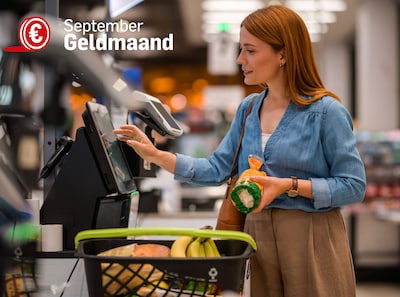
Although official figures indicate that supermarket price increases in the Netherlands have been modest, a large majority of consumers feel that grocery costs have risen significantly. As a result, many households are changing their shopping behavior, focusing on discounts and private labels while cutting back on luxury goods and non-essential spending to cope with financial strain.
Despite official data showing minimal supermarket price increases over the past year, over half of Dutch consumers perceive their grocery bills as significantly higher. A survey of 1,000 people revealed that two-thirds have altered their shopping habits, with many opting for store brands, discounts, and omitting luxury items to manage their budgets. These changes are particularly prevalent among low-income households, though higher earners are also cutting back. Some consumers have even begun shopping across borders to save on items like toiletries and beverages.
Experts explain this discrepancy by noting that consumers tend to focus on specific items that have risen in price, such as coffee and chocolate, rather than overall inflation averages. Additionally, the psychological impact of spending money multiple times a week makes price changes more noticeable than monthly salary increases. This financial pressure is extending beyond the grocery store, forcing many to sacrifice dining out, leisure activities, and occasionally even heating, leading to increased household stress and tension.
Based on reporting by ad. Translated and condensed by LocalHeadlines.