parool

More monuments in Amsterdam sounds like good news, but who pays the bill?
More monuments in Amsterdam sounds like good news, but who pays the bill?

Amsterdam has added dozens of new historical sites to its monument registry, continuing a trend of expanding protected status within the city. Critics are concerned that this unchecked growth creates unsustainable financial burdens and suggest that stricter policies, including the removal of certain properties from the list, are necessary to balance heritage preservation with economic reality.

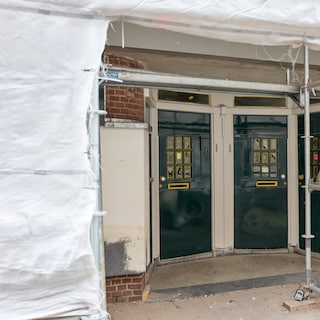
The municipality of Amsterdam recently announced the addition of new monuments and protected cityscapes to its registry, bringing the total number of historical sites in the city to nearly ten thousand. Over the past five years, 88 individual monuments and five urban areas have gained protected status. While this growth preserves historical character, critics argue that it imposes significant long-term financial burdens on owners and future generations due to stringent and costly renovation requirements. The maintenance of these properties is often more expensive than standard buildings, raising questions about who will ultimately cover these rising costs.

Concerns have been raised that the current preservation policies are overly restrictive, covering details that may not be historically significant enough to justify the high expenses involved. There are calls for a more sustainable approach, including the establishment of clear financial limits and a periodic re-evaluation of the list to remove properties that no longer warrant strict protection. Advocates suggest that a strategic reduction of the monument registry could help prioritize resources for other essential societal needs like housing and public infrastructure.

Based on reporting by parool. Translated and condensed by LocalHeadlines.
Related articles

Most Dutch people dislike it when others wear video glasses: 'People are scared by them'

Most Dutch people dislike it when others wear video glasses: 'People are scared by them'

A large majority of Dutch people feel uncomfortable when others wear smart glasses with cameras due to privacy concerns and the fear of secret recordings. Despite Meta's insistence on the technology's utility, most residents remain unconvinced of their value and support potential legal restrictions.

Not selling out is not a death blow for festival: 'But be careful not to price yourself out of the market'

Not selling out is not a death blow for festival: 'But be careful not to price yourself out of the market'

Festival organizations in the Netherlands faced a challenging summer marked by extreme weather, rising operational costs, and fluctuating ticket sales. Despite these significant hurdles, industry professionals remain optimistic due to the sector's inherent creativity and ability to adapt to difficult circumstances.

From near extinction to a thriving fishery: how Portugal’s sardine population was saved

From near extinction to a thriving fishery: how Portugal’s sardine population was saved

After facing near-extinction due to overfishing, Portugal's sardine population is recovering thanks to a successful management plan. This restoration has revitalized the local fishing industry while ensuring the fish remains a sustainable and healthy staple of the Portuguese diet.

Not just IDFA: Amsterdam’s wider cultural sector hit by rising hotel costs as tourist tax hike drives away key visitors

Not just IDFA: Amsterdam’s wider cultural sector hit by rising hotel costs as tourist tax hike drives away key visitors

Amsterdam's cultural sector, including major events like IDFA, ADE, and the Holland Festival, is struggling due to rising tourist taxes and hotel VAT. These increased costs are forcing organizers to raise ticket prices and reduce programming, threatening the accessibility and quality of the city's cultural offerings.

The Greenhouse | I prefer to jump on the facts rather than the barricade

The Greenhouse | I prefer to jump on the facts rather than the barricade

A climate journalist explores the tension between objective reporting and the pressure to advocate for systemic change to combat the climate crisis. The author concludes that journalists should remain factual rather than activist to effectively reach a wide and diverse audience.