Very cheap room in the heart of London: Booking.com leaves fake ad for 10 Downing Street listing up
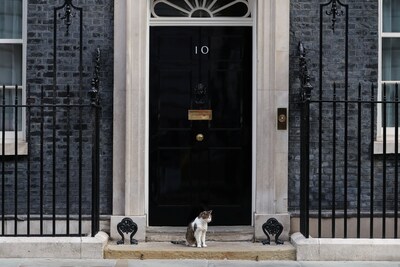
The British consumer group Which? created a fake Booking.com listing for 10 Downing Street to demonstrate how easily fraudulent advertisements can persist on the platform. Despite the absurdity of the listing, it remained active for two weeks and successfully processed a test payment, highlighting significant vulnerabilities in the site's security measures.
The British consumer organization Which? successfully placed a fake listing for 10 Downing Street on the booking platform Booking.com to highlight security flaws. Despite using the well-known address of the British Prime Minister and claiming proximity to Parliament, the advertisement remained active for two weeks. During this period, fourteen customers attempted to book the non-existent room, and the platform even processed a payment for a test reservation made by a member of the organization, which has yet to be refunded.
This experiment underscores growing concerns regarding fraudulent listings on the site, where travelers often arrive at destinations that do not exist. In addition to the fake listing, Which? managed to post a positive review for the non-existent accommodation, which was approved by the platform in minutes. Booking.com has responded by claiming the investigation does not accurately reflect their daily operations, though the incident has reignited debates about the effectiveness of their verification processes for protecting consumers from scams.
Based on reporting by ad. Translated and condensed by LocalHeadlines.