parool

Amsterdam halves closure period: shops and restaurants to close for three months less following explosions
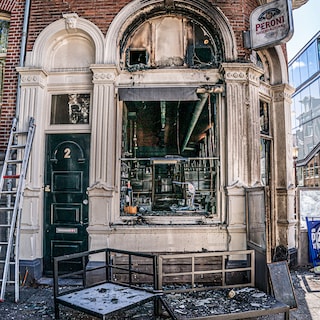
Amsterdam halves closure period: shops and restaurants to close for three months less following explosions

Amsterdam has halved its mandatory closure period for shops and restaurants from six months to three months following legal challenges regarding the proportionality of such measures. The new policy also formalizes alternative enforcement options, such as warnings or surveillance, and shortens the timeframe for businesses to request an early reopening.

Amsterdam Mayor Halsema has updated the city's closure policy for properties involved in incidents like explosions, illegal gambling, or the discovery of drugs and weapons. Moving forward, the mandatory closure period for shops and restaurants will be reduced from six months to three months. This decision aligns restaurant and retail closure durations with those already applied to residential properties, which officials determined is sufficient time to restore public order while protecting businesses from insurmountable financial hardship. The revised policy comes after several court rulings questioned the proportionality of lengthy closures, particularly when business owners or residents were not directly responsible for criminal activities. In addition to shortening closure terms, the new policy introduces more flexible enforcement options, such as issuing formal warnings or increasing camera surveillance. Furthermore, the timeframe for property owners to request an early reopening has been significantly shortened from eight weeks to two weeks, providing a more balanced approach to local public safety management.

Based on reporting by parool. Translated and condensed by LocalHeadlines.

Related articles

French shopkeepers fear millions in losses after looting and destruction

French shopkeepers fear millions in losses after looting and destruction

French retailers are bracing for millions in damages after widespread looting and vandalism struck numerous cities, including Paris and Bordeaux, during recent riots. The government has promised to expedite support and facilitate discussions between business owners and insurers to address the significant financial impact on affected enterprises.

From near extinction to a thriving fishery: how Portugal’s sardine population was saved

From near extinction to a thriving fishery: how Portugal’s sardine population was saved

After facing near-extinction due to overfishing, Portugal's sardine population is recovering thanks to a successful management plan. This restoration has revitalized the local fishing industry while ensuring the fish remains a sustainable and healthy staple of the Portuguese diet.

Trade with Russia remains lucrative, but companies face risks

Trade with Russia remains lucrative, but companies face risks

Despite 21 rounds of European Union sanctions against Russia, some businesses continue to profit by using third-party countries to bypass export restrictions. Experts warn that while such trade is lucrative, it carries significant legal risks, including criminal prosecution and prison time for those who intentionally circumvent these measures.

France admits British cars can be labeled as Made in Europe

France admits British cars can be labeled as Made in Europe

France and Germany have agreed to a compromise for the Industrial Accelerator Act, allowing British cars to qualify as European under specific trade conditions. This exemption requires the UK to adopt European trade measures against Chinese automotive imports, balancing industrial protectionism with market access.

Westeinder campsite residents back in court: 'compensation too low'

Westeinder campsite residents back in court: 'compensation too low'

Residents of Camping De Westeinder have returned to court in Haarlem to challenge the inadequate compensation offered by developer Kleen Estate for their forced relocation. Many residents rely on the park for permanent housing due to the local housing crisis and argue that the current offers are insufficient to cover relocation costs or provide alternative shelter.