ad

Average gas consumption for Haarlem residents remains stable, but these homes used more

Average gas consumption for Haarlem residents remains stable, but these homes used more

Average gas consumption in Haarlem has stabilized, though semi-detached households have seen a recent increase in their usage. While many residents have adopted energy-efficient measures like heat pumps, experts warn that the potential for further broad reductions is reaching its limit.

Average gas consumption for residents in Haarlem remained steady last year at 800 cubic meters, mirroring the figures from 2024. While the national trend of sharp reductions in gas usage has leveled off, specific housing types like semi-detached homes experienced an increase in consumption. Experts suggest that the potential for further significant conservation is limited, noting that residents have already heavily insulated their homes and transitioned to alternatives like heat pumps, with 432 households in the municipality disconnecting from the gas grid in the previous year alone.

Disparities in consumption remain significant across different neighborhoods, ranging from 1,660 cubic meters in Zuiderhout to 220 cubic meters in Romolenpolder-oost, largely due to variations in building age, insulation quality, and access to district heating networks. Meanwhile, approximately 4,800 households are reportedly facing energy poverty, raising concerns about residents struggling to maintain adequate heating. Additionally, net electricity consumption in the city saw a slight decrease from 1,880 to 1,850 kilowatt-hours per household.

Based on reporting by ad. Translated and condensed by LocalHeadlines.

Related articles

Private landlords in Haarlem sell off property: 1,235 fewer rental homes last year

Private landlords in Haarlem sell off property: 1,235 fewer rental homes last year

Private landlords in Haarlem sold off 1,235 rental properties last year, significantly reducing housing options for middle-income residents. The decline is attributed to stricter government regulations and higher taxes, which have made private renting less financially attractive across the Netherlands.

Haarlem takes financial risk with new Spaarne Gasthuis construction

Haarlem takes financial risk with new Spaarne Gasthuis construction

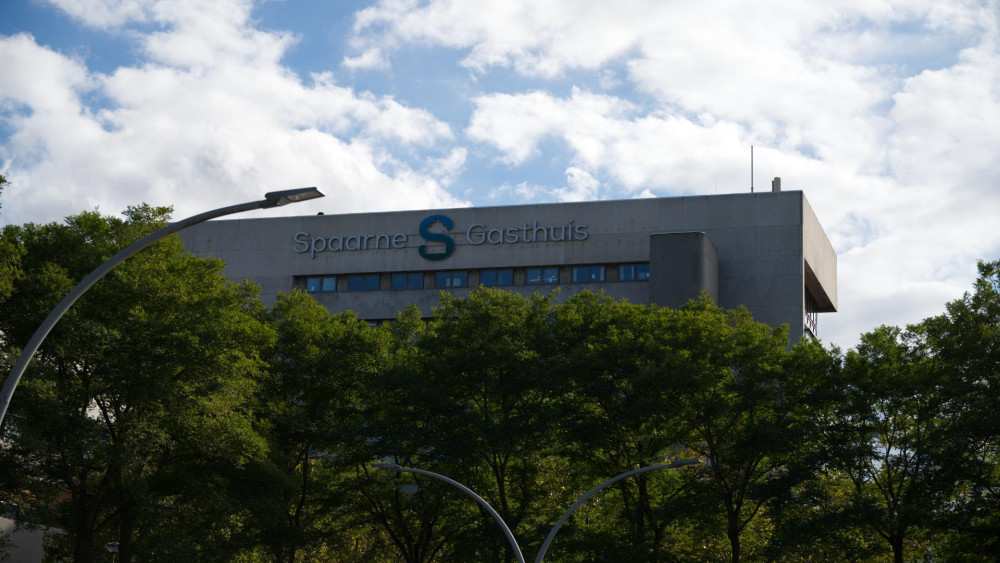
Haarlem is assuming significant financial risk by providing a 100 million euro guarantee and committing to purchase the current hospital site for 25 million euros to keep the Spaarne Gasthuis in the city. The initiative ensures 24-hour emergency care remains in Haarlem, though the city has deferred requirements for building staff housing.

Regional transport workers to strike one day a week until Christmas

Regional transport workers to strike one day a week until Christmas

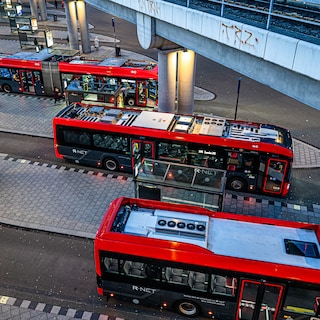
Regional transport workers in the Netherlands are planning weekly strikes until Christmas to push for better working conditions, including lower work pressure and improved pay. Municipal city transport in Amsterdam is excluded from the action, which primarily affects regional bus operators throughout the country.

Haarlem city treasury grew last year: nearly 380 million euros in cash

Haarlem city treasury grew last year: nearly 380 million euros in cash

The municipality of Haarlem saw its financial reserves grow to nearly 380 million euros by the end of 2025, reaching its highest level since 2016. This growth is driven by higher-than-expected revenues and the challenge of spending allocated budgets, reflecting a national trend among Dutch municipalities.

House prices exceed half a million, but buyers have more choice again

House prices exceed half a million, but buyers have more choice again

Dutch house prices reached an average of 503,000 euros in the third quarter, a slight increase amid a 24 percent rise in available housing supply. Despite more properties being on the market, sales remained stable due to a mismatch between buyer demand and the prevalence of small, new-build apartments.