ad

Accountants: Jetten's nitrogen plan helps nature, but many farmers won't be able to pay the bill
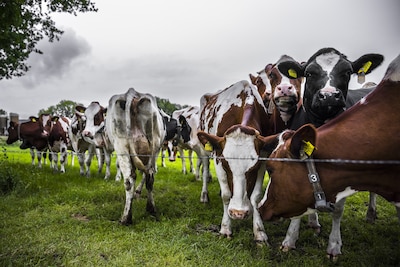
Accountants: Jetten's nitrogen plan helps nature, but many farmers won't be able to pay the bill

The Netherlands Environmental Assessment Agency warns that while the government's nitrogen reduction plan will significantly aid nature recovery, the high costs of compliance could force many farmers to close. The plan anticipates a drastic reduction in livestock numbers by 2035 and relies on massive structural changes that remain financially and logistically challenging for the agricultural sector.

The Netherlands Environmental Assessment Agency (PBL) has evaluated the government's ambitious nitrogen reduction plan, labeling it an implementation operation of historic proportions. While the package is expected to significantly aid nature recovery and reduce nitrogen deposition by 30 percent, it places an immense financial burden on the agricultural sector. Analysts anticipate a major consolidation of the industry, with forecasts suggesting a potential reduction of 30 percent for dairy cows and 40 percent for pigs and poultry by 2035.

Implementing these measures requires extensive, costly barn modifications that many family farms may struggle to afford. Furthermore, the agency warns that even with these efforts, additional mandatory cuts of 5 to 10 percent could still be required if nitrogen targets are not fully met, potentially discouraging bank investment. While the plan aims to shift land use toward more extensive and organic farming, critics such as the agricultural organization LTO argue that such uncertainty makes the transition unfeasible for farmers. Despite these challenges, the PBL maintains that the package provides a path toward restoring protected nature areas and resolving current permitting gridlocks.

Based on reporting by ad. Translated and condensed by LocalHeadlines.

Related articles

Trade with Russia remains lucrative, but companies face risks

Trade with Russia remains lucrative, but companies face risks

Despite 21 rounds of European Union sanctions against Russia, some businesses continue to profit by using third-party countries to bypass export restrictions. Experts warn that while such trade is lucrative, it carries significant legal risks, including criminal prosecution and prison time for those who intentionally circumvent these measures.

Private landlords are renting out fewer properties in the city: "A problem for students"

Private landlords are renting out fewer properties in the city: "A problem for students"

Private rental properties in Amsterdam have decreased by 18 percent in three years as landlords sell their units due to new rent control laws and increased taxation. While this shift favors buyers, it creates a significant housing crisis for students and individuals who cannot afford to purchase property in the city.

No funding for Zuidasdok megaproject in new cabinet plans

No funding for Zuidasdok megaproject in new cabinet plans

The Dutch government has frozen funding for the northern part of the Zuidasdok project to prioritize the maintenance of existing national infrastructure. This decision delays one of the country's largest development projects, sparking concerns in Amsterdam over long-term economic and accessibility impacts.

From Nedersaksen line to A20 highway: billion-euro deficit forces cabinet to make tough infrastructure choices this week

From Nedersaksen line to A20 highway: billion-euro deficit forces cabinet to make tough infrastructure choices this week

The Dutch government is set to make challenging decisions this week on infrastructure investment due to a multi-billion euro budget deficit. Officials must weigh the urgent need to repair aging roads and bridges against the viability of new projects like the Nedersaksenlijn and the A20 highway.

It is tough, it is technical, but the solution for box 3 is also hyper-political

It is tough, it is technical, but the solution for box 3 is also hyper-political

The Dutch cabinet is struggling to find a parliamentary majority for its tax plans, specifically regarding the controversial Box 3 issue. The government is currently navigating a difficult negotiation process between conflicting demands from right-wing opposition parties and internal disagreements within the three-party coalition.