ad

Shortage of vocational students? Fewer pupils choosing practical education in Haarlem

Shortage of vocational students? Fewer pupils choosing practical education in Haarlem

The number of vocational students in Haarlem has decreased from 47 percent to 39 percent over the past decade, despite a high demand for practical labor. This decline contrasts with an increase in higher education graduates in the city, suggesting a shift toward theoretical training paths.

Recent figures from Statistics Netherlands reveal a decline in the number of vocational (vmbo) students in Haarlem compared to a decade ago. While 47 percent of senior pupils followed a practical education track in the 2012-2013 school year, that figure has dropped to 39 percent. This trend is particularly evident among male students, even as the labor market faces an urgent need for skilled practical workers in sectors like construction, security, and transportation. Experts suggest that a persistent social stigma surrounding vocational training contributes to these shifting enrollment patterns.

Simultaneously, the percentage of residents with higher education degrees has risen significantly, climbing from 43 percent to 52 percent over the last ten years. Certain areas, such as Zuiderhout, now show that as many as 84 percent of residents possess a higher professional or university qualification. Despite the growing demand for practical professionals identified by labor market analysts, the preference for theoretical education paths remains dominant, resulting in a consistent shortage of vocational graduates in the region.

Based on reporting by ad. Translated and condensed by LocalHeadlines.

Related articles

Private landlords in Haarlem sell off property: 1,235 fewer rental homes last year

Private landlords in Haarlem sell off property: 1,235 fewer rental homes last year

Private landlords in Haarlem sold off 1,235 rental properties last year, significantly reducing housing options for middle-income residents. The decline is attributed to stricter government regulations and higher taxes, which have made private renting less financially attractive across the Netherlands.

Haarlem takes financial risk with new Spaarne Gasthuis construction

Haarlem takes financial risk with new Spaarne Gasthuis construction

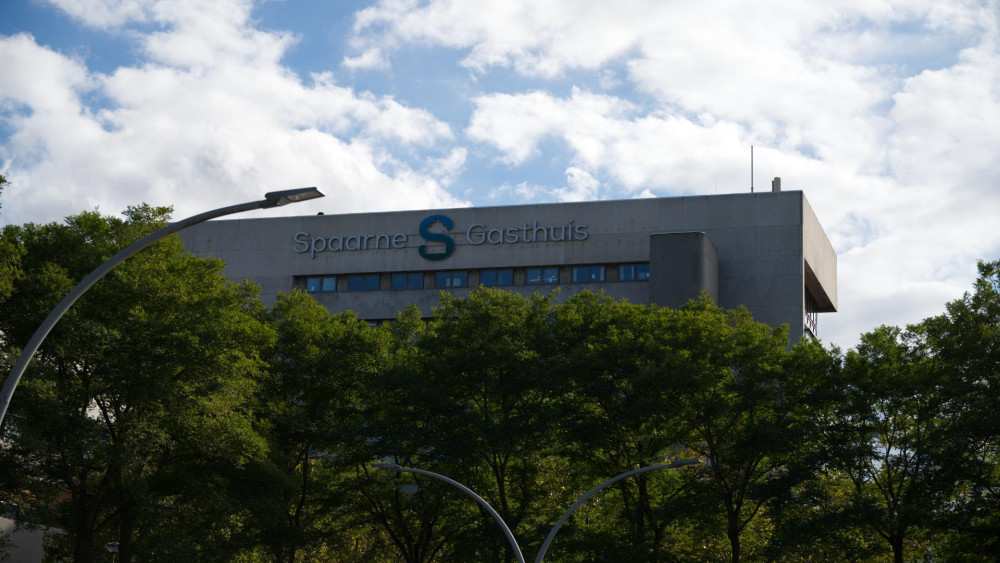
Haarlem is assuming significant financial risk by providing a 100 million euro guarantee and committing to purchase the current hospital site for 25 million euros to keep the Spaarne Gasthuis in the city. The initiative ensures 24-hour emergency care remains in Haarlem, though the city has deferred requirements for building staff housing.

Regional transport workers to strike one day a week until Christmas

Regional transport workers to strike one day a week until Christmas

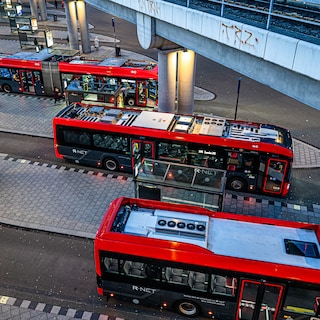
Regional transport workers in the Netherlands are planning weekly strikes until Christmas to push for better working conditions, including lower work pressure and improved pay. Municipal city transport in Amsterdam is excluded from the action, which primarily affects regional bus operators throughout the country.

House prices exceed half a million, but buyers have more choice again

House prices exceed half a million, but buyers have more choice again

Dutch house prices reached an average of 503,000 euros in the third quarter, a slight increase amid a 24 percent rise in available housing supply. Despite more properties being on the market, sales remained stable due to a mismatch between buyer demand and the prevalence of small, new-build apartments.

Sharp rise in homes for sale, but concerns over ‘mismatch’ and ‘shrinkflation’ in new construction

Sharp rise in homes for sale, but concerns over ‘mismatch’ and ‘shrinkflation’ in new construction

The Dutch housing market has seen a substantial increase in both existing and new-build home listings, offering buyers more negotiation room and choice. However, sales for new construction projects are declining as high building costs lead to smaller, more expensive units that often fail to meet buyer needs.