nu

US space companies will not attend Paris space summit after all

US space companies will not attend Paris space summit after all

Major US aerospace companies like SpaceX and Blue Origin are skipping a space summit in Paris following reported pressure from the White House. The decision stems from diplomatic friction between the Trump administration and France regarding industrial competition and poor summit coordination.

Major American aerospace firms, including Elon Musk's SpaceX and Jeff Bezos's Blue Origin, have reportedly decided to skip an upcoming space summit in Paris. While the White House has not issued an explicit mandate barring attendance, sources indicate that officials strongly advised against the participation of these private companies. The decision appears to be rooted in tensions between the Trump administration and French organizers, particularly regarding allegations that France criticized American competition practices and failed to properly coordinate the summit details with Washington.

French space official Philippe Baptiste acknowledged the reports of external pressure but stated that American representatives remain welcome at the event. Meanwhile, spokespeople for the French government have expressed disappointment, noting that political developments are complicating international cooperation. Although the White House has declined to provide official comments on the situation, the withdrawal of these key industry players highlights growing friction in transatlantic space policy and bilateral diplomatic relations.

Based on reporting by nu. Translated and condensed by LocalHeadlines.
Related articles

Global stock markets fall on AI concerns

Global stock markets fall on AI concerns

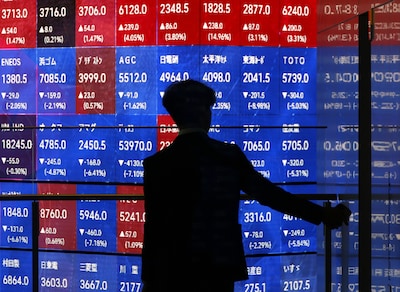
Global stock markets have experienced significant declines driven by growing investor anxiety over debt levels and potential demand slowdowns in the artificial intelligence sector. Major indices, including the Nasdaq and various Asian benchmarks, saw substantial losses as chipmakers and tech-related stocks faced a worldwide sell-off.

Empty shelves, saunas in the coolers: our essential services are vulnerable to cyber incidents

Empty shelves, saunas in the coolers: our essential services are vulnerable to cyber incidents

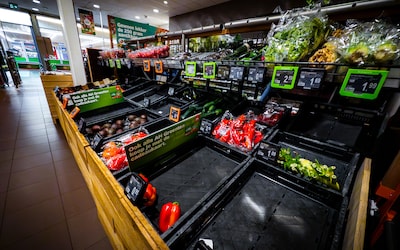
The grocery sector is increasingly facing cybersecurity threats, leading to incidents such as empty store shelves and malfunctioning cooling equipment. Experts warn that these vulnerabilities in essential services could cause further public instability if security measures are not improved.

EU selects 46 raw materials projects to reduce dependence on China

EU selects 46 raw materials projects to reduce dependence on China

The European Commission has launched 46 projects across sixteen countries to reduce reliance on China for vital raw materials like lithium and copper. These initiatives, supported by prioritized permits and funding assistance, aim to significantly boost domestic processing and recycling capacity by 2030.

Electric cars are driving further into Europe, but watch out for hidden costs in France

Electric cars are driving further into Europe, but watch out for hidden costs in France

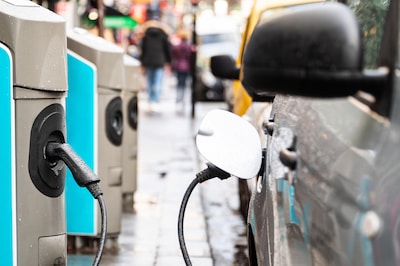
Dutch electric vehicle drivers are increasingly traveling further across Europe, but the ANWB warns that hidden costs like blocking fees remain a problem in countries such as France. Drivers are advised to check tariff details in charging apps to avoid significant unexpected charges for staying connected to a station after a battery is full.

IMF: Public debt, energy demand and energy prices threaten global economy

IMF: Public debt, energy demand and energy prices threaten global economy

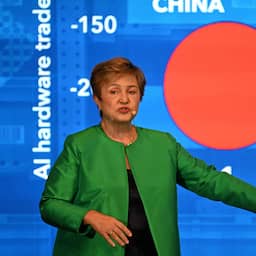
The IMF has warned that the global economy faces significant threats from rising national debt, increasing energy demand driven by AI, and high energy prices. These economic pressures are creating growing inequality between nations, prompting the organization to call for immediate international policy action.