rss

Haarlem slaughterhouse files for bankruptcy, municipality loses hundreds of thousands in rent
Haarlem slaughterhouse files for bankruptcy, municipality loses hundreds of thousands in rent

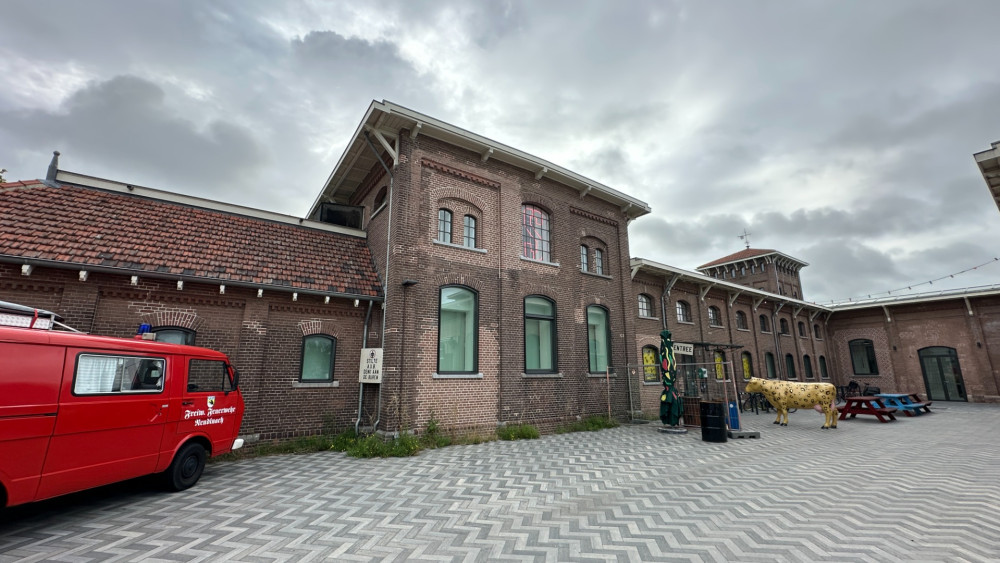
The Muziekfabriek Slachthuis in Haarlem has declared bankruptcy after accumulating significant debt and failing to secure additional municipal subsidies. While the concert venue and bar will cease operations, the city aims to maintain music education services within the facility.

The Muziekfabriek Slachthuis in Haarlem has filed for bankruptcy following years of escalating financial distress. The venue, which serves as both a music stage and a home for rehearsal rooms, has accumulated debts exceeding 360,000 euros. Although the foundation behind the venue attempted to secure an additional 600,000 euros in municipal funding to implement a recovery plan, the local government has declined to provide further support. The municipality cited a lack of confidence in the organization's ability to stabilize its financial position, noting that it has already lost approximately 341,000 euros in unpaid rent.

Despite the impending closure of the concert venue and bar operations, city officials are prioritizing the continuity of music education programs within the Rockplein building. Discussions are underway with the music school Hart to ensure that student lessons are preserved. A formal evaluation of the building's future use is expected to be conducted by the city in 2027, as current operations are set to cease once a curator is appointed to oversee the bankruptcy proceedings.

Based on reporting by rss. Translated and condensed by LocalHeadlines.
Related articles

Haarlem takes financial risk with new Spaarne Gasthuis construction

Haarlem takes financial risk with new Spaarne Gasthuis construction

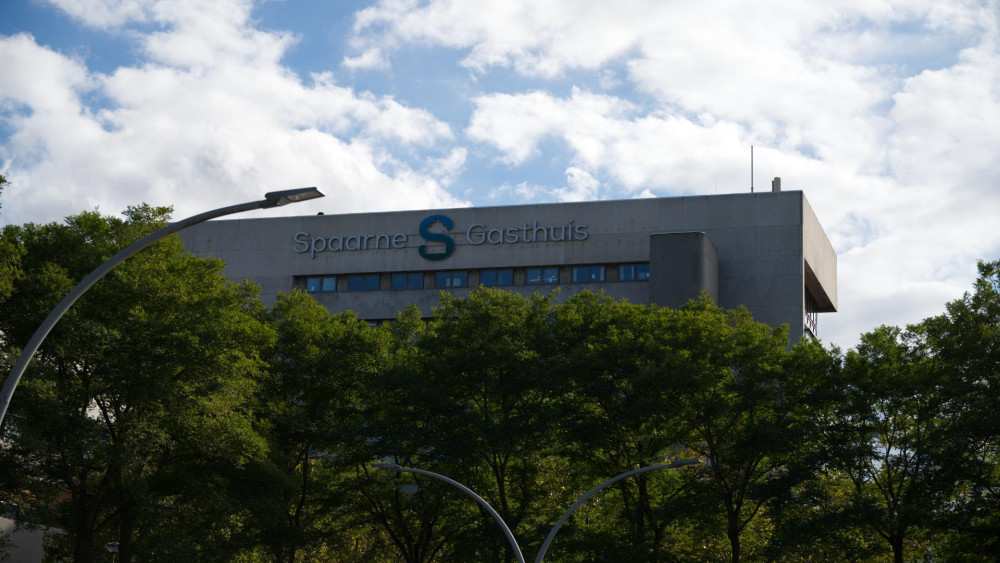
Haarlem is assuming significant financial risk by providing a 100 million euro guarantee and committing to purchase the current hospital site for 25 million euros to keep the Spaarne Gasthuis in the city. The initiative ensures 24-hour emergency care remains in Haarlem, though the city has deferred requirements for building staff housing.

More than 76,000 rental homes have already disappeared from the market – landlords complain about affordable rent legislation

More than 76,000 rental homes have already disappeared from the market – landlords complain about affordable rent legislation

Since the introduction of the Affordable Rent Act in 2024, over 76,000 rental homes have been sold off by landlords across the Netherlands, tightening housing supply. Rental prices are simultaneously rising faster than inflation, with Amsterdam, Amstelveen, and Haarlem remaining among the most expensive areas for tenants.

Not selling out is not a death blow for festival: 'But be careful not to price yourself out of the market'

Not selling out is not a death blow for festival: 'But be careful not to price yourself out of the market'

Festival organizations in the Netherlands faced a challenging summer marked by extreme weather, rising operational costs, and fluctuating ticket sales. Despite these significant hurdles, industry professionals remain optimistic due to the sector's inherent creativity and ability to adapt to difficult circumstances.

Not just IDFA: Amsterdam’s wider cultural sector hit by rising hotel costs as tourist tax hike drives away key visitors

Not just IDFA: Amsterdam’s wider cultural sector hit by rising hotel costs as tourist tax hike drives away key visitors

Amsterdam's cultural sector, including major events like IDFA, ADE, and the Holland Festival, is struggling due to rising tourist taxes and hotel VAT. These increased costs are forcing organizers to raise ticket prices and reduce programming, threatening the accessibility and quality of the city's cultural offerings.

The Greenhouse | I prefer to jump on the facts rather than the barricade

The Greenhouse | I prefer to jump on the facts rather than the barricade

A climate journalist explores the tension between objective reporting and the pressure to advocate for systemic change to combat the climate crisis. The author concludes that journalists should remain factual rather than activist to effectively reach a wide and diverse audience.