Cabinet wants many more return points and deposits on all beverage bottles
The Dutch government plans to require deposits on all plastic juice and dairy bottles while mandating that most retailers serve as collection points for empty containers by 2028. This measure aims to help the industry achieve its legally required 90 percent recycling target for plastic bottles and cans.
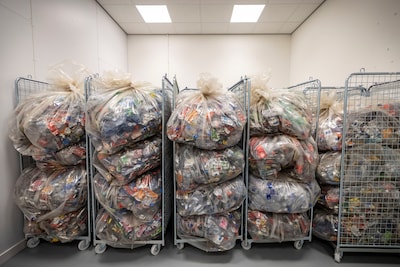
The Dutch government plans to expand the national deposit return scheme to include plastic juice and dairy bottles, ensuring that all plastic beverage containers eventually carry a deposit. Additionally, starting January 1, 2028, the cabinet intends to mandate that most retailers larger than 50 square meters serve as collection points for empty bottles and cans. This policy aims to address the current failure to meet the statutory recycling target of 90 percent, as collection rates for bottles and cans have consistently fallen short in recent years.
Under the proposed rules, larger stores over 200 square meters will be required to provide cash refunds for returned items. While the industry body Verpact acknowledges the necessity of increasing collection points to capture on-the-go waste, they have raised concerns regarding the hygiene challenges posed by processing dairy and juice bottles. Environmental organizations have welcomed the move, noting that holding retailers responsible for the packaging they sell will likely reduce litter and decrease the frequency of people scavenging through public waste bins.
Based on reporting by ad. Translated and condensed by LocalHeadlines.