nu

Expensive gas and looming power shortages: should coal plants stay open after all?
Expensive gas and looming power shortages: should coal plants stay open after all?

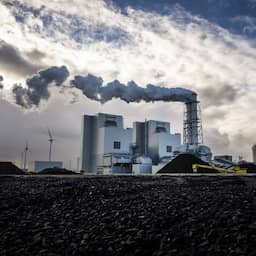
The Netherlands is debating whether to keep coal-fired power plants open past 2030 due to rising gas costs and potential future electricity shortages. Experts are divided on the necessity of these plants, citing concerns over both grid reliability and the effectiveness of current European climate emission policies.

The Netherlands faces a complex energy dilemma as rising gas prices and projected power shortages threaten the planned 2030 closure of coal plants. While these facilities were once slated for a permanent shutdown to meet climate goals, energy experts and grid operator TenneT now warn that relying solely on wind and solar power may be insufficient to bridge the gap left by retiring thermal power plants. Economists suggest that keeping coal plants open could enhance energy security, arguing that under the European emission trading system, local closures do not necessarily lower total European carbon output unless emission rights are actively removed from the market.

Environmental groups and scientific advisors, however, argue against extending coal operations, suggesting that focusing on modernizing existing gas plants with hydrogen or biogas is a more sustainable path toward energy independence. Despite calls for better European cooperation to synchronize power grid stability, national policies remain fragmented. Currently, there is little political support in parliament to extend coal usage beyond 2030, though some interest exists regarding the potential conversion of these plants to run on biomass.

Based on reporting by nu. Translated and condensed by LocalHeadlines.
Related articles

Trade with Russia remains lucrative, but companies face risks

Trade with Russia remains lucrative, but companies face risks

Despite 21 rounds of European Union sanctions against Russia, some businesses continue to profit by using third-party countries to bypass export restrictions. Experts warn that while such trade is lucrative, it carries significant legal risks, including criminal prosecution and prison time for those who intentionally circumvent these measures.

Private landlords are renting out fewer properties in the city: "A problem for students"

Private landlords are renting out fewer properties in the city: "A problem for students"

Private rental properties in Amsterdam have decreased by 18 percent in three years as landlords sell their units due to new rent control laws and increased taxation. While this shift favors buyers, it creates a significant housing crisis for students and individuals who cannot afford to purchase property in the city.

No funding for Zuidasdok megaproject in new cabinet plans

No funding for Zuidasdok megaproject in new cabinet plans

The Dutch government has frozen funding for the northern part of the Zuidasdok project to prioritize the maintenance of existing national infrastructure. This decision delays one of the country's largest development projects, sparking concerns in Amsterdam over long-term economic and accessibility impacts.

From Nedersaksen line to A20 highway: billion-euro deficit forces cabinet to make tough infrastructure choices this week

From Nedersaksen line to A20 highway: billion-euro deficit forces cabinet to make tough infrastructure choices this week

The Dutch government is set to make challenging decisions this week on infrastructure investment due to a multi-billion euro budget deficit. Officials must weigh the urgent need to repair aging roads and bridges against the viability of new projects like the Nedersaksenlijn and the A20 highway.

It is tough, it is technical, but the solution for box 3 is also hyper-political

It is tough, it is technical, but the solution for box 3 is also hyper-political

The Dutch cabinet is struggling to find a parliamentary majority for its tax plans, specifically regarding the controversial Box 3 issue. The government is currently navigating a difficult negotiation process between conflicting demands from right-wing opposition parties and internal disagreements within the three-party coalition.