'Rare' fruits and vegetables still barely leave the farm
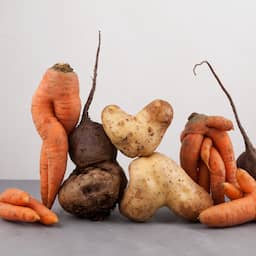
About 15 percent of produce grown in the Netherlands is discarded annually because it fails to meet strict supermarket standards for size and appearance. While waste-reduction organizations are actively promoting the sale of these imperfect items, major supermarket chains remain reluctant to fully integrate them due to logistical efficiency and concerns about consumer purchasing habits.
A significant portion of agricultural produce in the Netherlands never reaches supermarket shelves because it fails to meet strict aesthetic standards. Experts from the No Waste Army estimate that approximately 15 percent of all produce grown in the country remains on the farm, often discarded due to irregular shapes or sizes. While some initiatives and niche shops exist to sell these imperfect fruits and vegetables, major supermarket chains remain hesitant to adopt them broadly. Supermarkets prioritize logistical efficiency, noting that uniform produce fits better in standardized packaging and transport, which they argue is necessary for maintaining thin profit margins and low carbon footprints.
Industry organizations and supermarket representatives state that while there is a willingness to reduce waste, logistical constraints and consumer preferences for perfect-looking food remain major hurdles. Retailers sometimes accept non-standard produce in limited quantities, but they claim that consumers often bypass these items in favor of conventional ones. To challenge these norms, the No Waste Army has launched a temporary store in Utrecht featuring only rejected produce, hoping to demonstrate that consumers are both willing and eager to purchase these items if they are made available.
Based on reporting by nu. Translated and condensed by LocalHeadlines.