ad

From Taylor Swift to Leonardo DiCaprio: how the Honey Deuce became the ultimate US Open status symbol
From Taylor Swift to Leonardo DiCaprio: how the Honey Deuce became the ultimate US Open status symbol

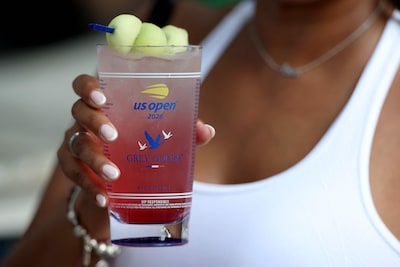
The Honey Deuce has become a signature status symbol at the US Open in New York, generating over 17 million dollars in sales last year. The cocktail, featuring distinct melon spheres resembling tennis balls, has gained immense popularity through celebrity endorsements and its status as a must-have accessory at the tournament.

The Honey Deuce, a cocktail crafted from Grey Goose vodka, lemonade, and raspberry liqueur, has become a massive commercial phenomenon at the US Open in New York. Created in 2006 by Nick Mautone at the request of tournament director Daniel Zausner, the drink features signature honeydew melon spheres styled to resemble tennis balls. It has since evolved into a sought-after status symbol, frequently seen in the hands of celebrities like Taylor Swift and Leonardo DiCaprio.

To meet extreme consumer demand, the tournament organizes a sophisticated logistics operation involving over twenty staff members who hand-scoop millions of melon balls daily. Last year, sales reached 738,459 drinks, generating over 17 million dollars in revenue. Beyond the cocktail itself, the souvenir cups and branded merchandise have become highly collectible items. For many attendees, the beverage has become as essential to the US Open experience as the tennis matches themselves, further fueled by extensive social media popularity and high-profile endorsements.

Based on reporting by ad. Translated and condensed by LocalHeadlines.
Related articles

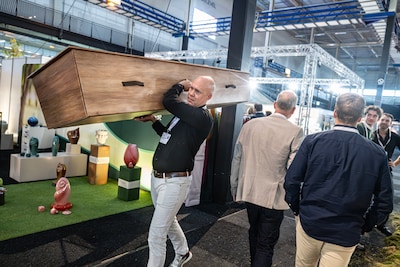
Demand for affordable and sustainable funerals grows: 'Just put me in a cardboard box'

Demand for affordable and sustainable funerals grows: 'Just put me in a cardboard box'

The funeral industry in the Netherlands is preparing for a shift in consumer demand toward more affordable and environmentally friendly burial options. As part of this transition, the sector is exploring sustainable alternatives such as alkaline hydrolysis, commonly known as resomation, to accommodate those seeking cheaper or greener end-of-life choices.

Vincent (45) earns 4,500 euros a month and saved up 240,000: 'It has made me more confident'

Vincent (45) earns 4,500 euros a month and saved up 240,000: 'It has made me more confident'

Freelance journalist Vincent Kouters has saved 240,000 euros on a monthly salary of 4,500 euros. He states that this financial milestone has improved his self-confidence and allowed him more freedom to prioritize his children and balance his professional commitments.

Not selling out is not a death blow for festival: 'But be careful not to price yourself out of the market'

Not selling out is not a death blow for festival: 'But be careful not to price yourself out of the market'

Festival organizations in the Netherlands faced a challenging summer marked by extreme weather, rising operational costs, and fluctuating ticket sales. Despite these significant hurdles, industry professionals remain optimistic due to the sector's inherent creativity and ability to adapt to difficult circumstances.

From near extinction to a thriving fishery: how Portugal’s sardine population was saved

From near extinction to a thriving fishery: how Portugal’s sardine population was saved

After facing near-extinction due to overfishing, Portugal's sardine population is recovering thanks to a successful management plan. This restoration has revitalized the local fishing industry while ensuring the fish remains a sustainable and healthy staple of the Portuguese diet.

Not just IDFA: Amsterdam’s wider cultural sector hit by rising hotel costs as tourist tax hike drives away key visitors

Not just IDFA: Amsterdam’s wider cultural sector hit by rising hotel costs as tourist tax hike drives away key visitors

Amsterdam's cultural sector, including major events like IDFA, ADE, and the Holland Festival, is struggling due to rising tourist taxes and hotel VAT. These increased costs are forcing organizers to raise ticket prices and reduce programming, threatening the accessibility and quality of the city's cultural offerings.