Rising oil prices make humanitarian aid more expensive: 'This costs children's lives'
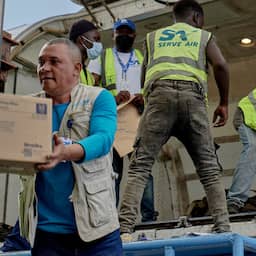
Surging oil prices are significantly increasing the cost of delivering humanitarian aid, forcing organizations to reduce their reach or sacrifice essential services. Higher fuel costs for transportation and infrastructure maintenance mean that aid budgets now cover fewer supplies, directly endangering lives in vulnerable regions.
Rising fuel costs are severely impacting humanitarian aid operations, causing significant increases in the price of food, medicine, and critical supplies. Organizations like CARE and UNICEF report that higher oil prices, exacerbated by international conflicts, make the logistics of transporting life-saving aid much more expensive. As a larger portion of humanitarian budgets is diverted to cover transportation and energy costs, less funding is available for direct assistance, forcing aid groups to make difficult decisions about service reductions in vulnerable regions such as Somalia, Sudan, and Gaza.
Shipping routes have become more costly as vessels are rerouted to avoid conflict zones, adding thousands of dollars to container transport fees. Supplies such as therapeutic milk and vaccines have seen dramatic price hikes, directly threatening the health of children in need. Medical facilities and local partners struggle to maintain operations as procurement costs climb, prompting aid organizations to explore alternative logistics strategies. Without increased funding, officials warn that the current trend will lead to decreased aid coverage and worsen humanitarian crises worldwide.
Based on reporting by nu. Translated and condensed by LocalHeadlines.