nu

Brussels proposes new plan to encourage governments to purchase within EU
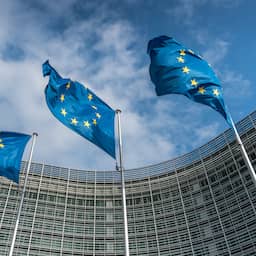
Brussels proposes new plan to encourage governments to purchase within EU

Brussels has proposed new rules for public procurement to encourage EU governments to prioritize quality and sustainability over the lowest price. The initiative aims to boost regional competitiveness against external rivals while potentially saving 649 million euros in administrative costs annually.

The European Commission has introduced a major proposal to reform public procurement rules across the EU, aiming to prioritize quality, sustainability, and regional economic growth over the lowest price. EU Commissioner Stéphane Séjourné stated that public funds should be used to support jobs and investments within Europe rather than benefiting external competitors like China. While the plan does not mandate buying European, it simplifies procedures and encourages governments to consider broader criteria beyond cost.

Public procurement currently represents approximately 15 percent of the EU's total gross domestic product, amounting to an annual expenditure of 2.6 trillion euros. By modernizing these purchasing processes, Brussels anticipates saving roughly 649 million euros in administrative costs. This strategic shift is designed to ensure that the massive volume of public money spent annually is used more effectively to foster industrial stability and competitiveness within the European Union.

Based on reporting by nu. Translated and condensed by LocalHeadlines.

Related articles

Trade with Russia remains lucrative, but companies face risks

Trade with Russia remains lucrative, but companies face risks

Despite 21 rounds of European Union sanctions against Russia, some businesses continue to profit by using third-party countries to bypass export restrictions. Experts warn that while such trade is lucrative, it carries significant legal risks, including criminal prosecution and prison time for those who intentionally circumvent these measures.

Westeinder campsite residents back in court: 'compensation too low'

Westeinder campsite residents back in court: 'compensation too low'

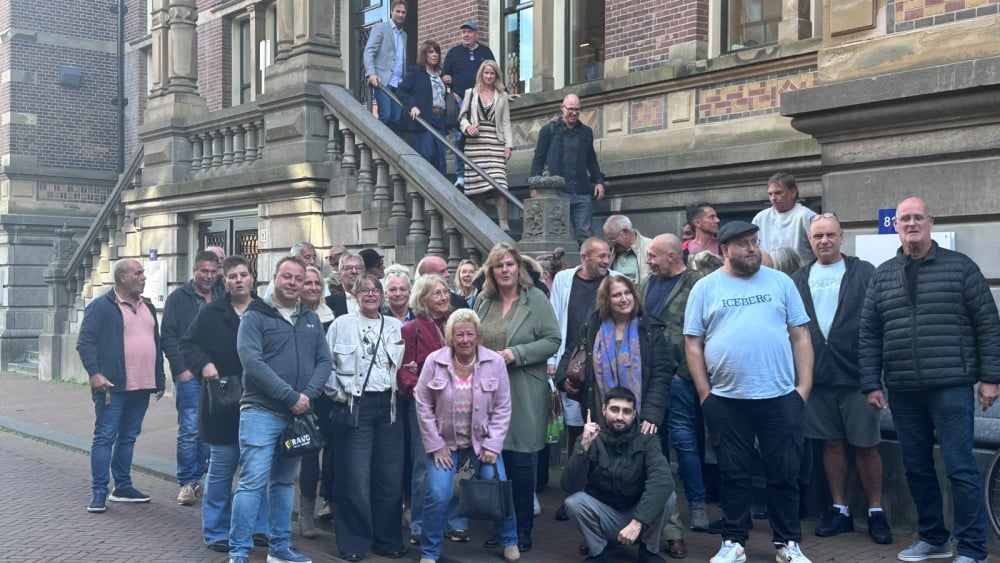
Residents of Camping De Westeinder have returned to court in Haarlem to challenge the inadequate compensation offered by developer Kleen Estate for their forced relocation. Many residents rely on the park for permanent housing due to the local housing crisis and argue that the current offers are insufficient to cover relocation costs or provide alternative shelter.

Money has to come from somewhere in Brussels: new European taxes firmly on the table

Money has to come from somewhere in Brussels: new European taxes firmly on the table

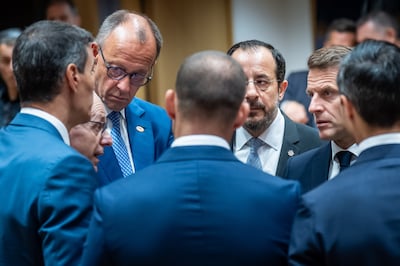
Brussels is proposing new levies on plastics, carbon emissions, and parcel deliveries to generate independent revenue for the European Union. Critics argue these measures could act as a gateway to centralized European taxation rather than acting as genuine policy solutions.

Oil price dips slightly after Trump does business with Putin

Oil price dips slightly after Trump does business with Putin

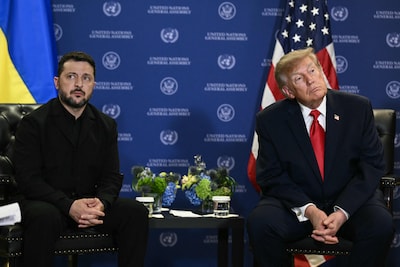
Oil prices dipped slightly after President Trump secured a deal to import diesel from Russia in an attempt to lower fuel costs before the upcoming midterm elections. The agreement has drawn criticism from Ukrainian President Volodymyr Zelensky, who called it a concession to Russia and challenged claims regarding a de-escalation of energy infrastructure attacks.

US cannot survive a day on Russian diesel: 'This will have zero effect on the price'

US cannot survive a day on Russian diesel: 'This will have zero effect on the price'

A trade deal between Donald Trump and Vladimir Putin to supply Russian diesel to the US is unlikely to lower fuel prices because the volume is insufficient to meet even one day of national demand. The agreement has faced significant criticism from European officials due to its potential geopolitical implications.