nu

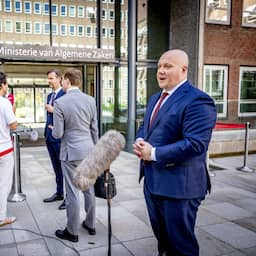
Minister questions two years of continued wage payment during illness
Minister questions two years of continued wage payment during illness

Dutch Minister Aartsen is considering limiting mandatory wage payments during sickness to six months to incentivize faster returns to the labor market and reduce costs for employers. While the proposal aims to save 1.4 billion euros annually and boost economic growth, it has drawn strong criticism from labor unions who fear the impact on social security.

Current Dutch law mandates that employers must pay at least 70 percent of a sick employee's wages for up to 104 weeks, though collective labor agreements often ensure full pay during the first year. Minister Aartsen argues that this system diminishes the financial incentive for employees to return to work quickly. The ministry suggests that limiting mandatory wage supplements to six months could save employers approximately 1.4 billion euros annually while potentially boosting economic growth through increased labor supply. Research indicates this change would likely not increase the number of disabled workers or require additional government spending.

However, government interference in collective labor agreements remains controversial and may conflict with international treaties. While the minister believes public interest justifies potential intervention, the plans have faced significant backlash. Labor unions, including the CNV, have labeled the proposal as highly harmful. This initiative coincides with broader government efforts to cut 6.8 billion euros from social security, including changes to the WIA disability insurance scheme that have caused widespread concern among workers' representatives.

Based on reporting by nu. Translated and condensed by LocalHeadlines.

Related articles

Trade with Russia remains lucrative, but companies face risks

Trade with Russia remains lucrative, but companies face risks

Despite 21 rounds of European Union sanctions against Russia, some businesses continue to profit by using third-party countries to bypass export restrictions. Experts warn that while such trade is lucrative, it carries significant legal risks, including criminal prosecution and prison time for those who intentionally circumvent these measures.

Private landlords are renting out fewer properties in the city: "A problem for students"

Private landlords are renting out fewer properties in the city: "A problem for students"

Private rental properties in Amsterdam have decreased by 18 percent in three years as landlords sell their units due to new rent control laws and increased taxation. While this shift favors buyers, it creates a significant housing crisis for students and individuals who cannot afford to purchase property in the city.

No funding for Zuidasdok megaproject in new cabinet plans

No funding for Zuidasdok megaproject in new cabinet plans

The Dutch government has frozen funding for the northern part of the Zuidasdok project to prioritize the maintenance of existing national infrastructure. This decision delays one of the country's largest development projects, sparking concerns in Amsterdam over long-term economic and accessibility impacts.

From Nedersaksen line to A20 highway: billion-euro deficit forces cabinet to make tough infrastructure choices this week

From Nedersaksen line to A20 highway: billion-euro deficit forces cabinet to make tough infrastructure choices this week

The Dutch government is set to make challenging decisions this week on infrastructure investment due to a multi-billion euro budget deficit. Officials must weigh the urgent need to repair aging roads and bridges against the viability of new projects like the Nedersaksenlijn and the A20 highway.

It is tough, it is technical, but the solution for box 3 is also hyper-political

It is tough, it is technical, but the solution for box 3 is also hyper-political

The Dutch cabinet is struggling to find a parliamentary majority for its tax plans, specifically regarding the controversial Box 3 issue. The government is currently navigating a difficult negotiation process between conflicting demands from right-wing opposition parties and internal disagreements within the three-party coalition.