Cabinet wants more green gas, but Parliament is concerned about the costs
The Dutch government is proposing a mandatory green gas blending requirement to reduce CO2 emissions, aiming to double production by 2031. While the industry supports the move, Parliament is concerned about the potential 90-euro annual cost increase for households and the reliance on imported gas.
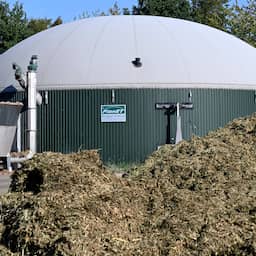
The Dutch government aims to increase the use of green gas by introducing a mandatory blending requirement for energy suppliers, starting in 2027. This initiative, which mandates the use of gas produced from organic waste like manure and plant residues, aims to significantly reduce carbon emissions. By 2031, the goal is to more than double annual production to 840 million cubic meters. Energy suppliers will be required to purchase certificates to meet these quotas, a move supported by industry bodies who argue it is necessary to encourage investment in sustainable gas infrastructure.
However, the proposal faces scrutiny in Parliament due to the projected costs for households. The government estimates that the measure could add up to 90 euros per year to the average energy bill by 2031. Lawmakers from across the political spectrum are concerned about the financial burden, especially given existing energy cost pressures. Furthermore, experts suggest that much of the green gas will need to be imported from other European countries to meet the targets, as local production alone may be insufficient.
Based on reporting by nu. Translated and condensed by LocalHeadlines.