nu

UAE seeks stronger ties with Europe and invests 40 billion in Germany

UAE seeks stronger ties with Europe and invests 40 billion in Germany

The United Arab Emirates has pledged a 40 billion euro investment in Germany to strengthen economic and strategic ties between the two nations. This new commitment, which includes an investment council and additional commercial agreements, is part of the UAE's broader effort to expand its influence and partnerships across Europe.

The United Arab Emirates have announced a massive 40 billion euro investment in Germany following a meeting in Berlin between President Mohamed Bin Zayed Al Nahyan and Chancellor Friedrich Merz. This initiative, which includes 10 billion euro specifically for the state of Bavaria, aims to deepen the long-standing economic and strategic partnership between the two nations, which spans over half a century. An investment council will also be established to oversee trade development, while additional commercial agreements worth over 9 billion euro were signed during the visit.

This capital injection is part of a broader UAE strategy to diversify its international partnerships and reduce reliance on other global powers like the United States and China. Germany has been actively seeking to bolster its energy and defense sectors, making the UAE an essential ally. Similar multi-billion euro investment commitments have previously been made by the UAE in France and Italy, signaling a clear ambition to strengthen economic ties across the European continent.

Based on reporting by nu. Translated and condensed by LocalHeadlines.
Related articles

Global stock markets fall on AI concerns

Global stock markets fall on AI concerns

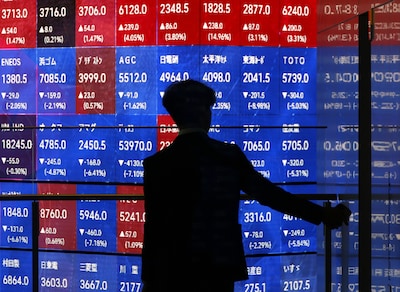
Global stock markets have experienced significant declines driven by growing investor anxiety over debt levels and potential demand slowdowns in the artificial intelligence sector. Major indices, including the Nasdaq and various Asian benchmarks, saw substantial losses as chipmakers and tech-related stocks faced a worldwide sell-off.

Empty shelves, saunas in the coolers: our essential services are vulnerable to cyber incidents

Empty shelves, saunas in the coolers: our essential services are vulnerable to cyber incidents

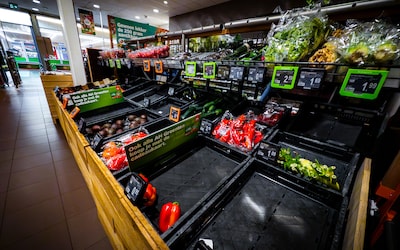
The grocery sector is increasingly facing cybersecurity threats, leading to incidents such as empty store shelves and malfunctioning cooling equipment. Experts warn that these vulnerabilities in essential services could cause further public instability if security measures are not improved.

EU selects 46 raw materials projects to reduce dependence on China

EU selects 46 raw materials projects to reduce dependence on China

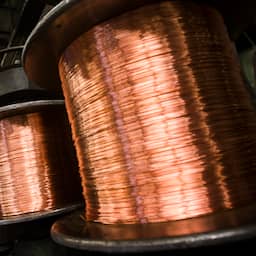
The European Commission has launched 46 projects across sixteen countries to reduce reliance on China for vital raw materials like lithium and copper. These initiatives, supported by prioritized permits and funding assistance, aim to significantly boost domestic processing and recycling capacity by 2030.

Electric cars are driving further into Europe, but watch out for hidden costs in France

Electric cars are driving further into Europe, but watch out for hidden costs in France

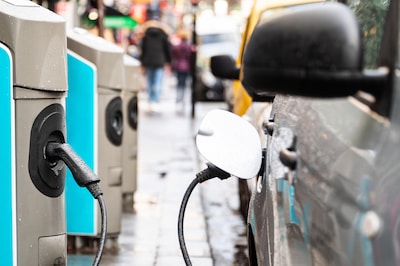
Dutch electric vehicle drivers are increasingly traveling further across Europe, but the ANWB warns that hidden costs like blocking fees remain a problem in countries such as France. Drivers are advised to check tariff details in charging apps to avoid significant unexpected charges for staying connected to a station after a battery is full.

IMF: Public debt, energy demand and energy prices threaten global economy

IMF: Public debt, energy demand and energy prices threaten global economy

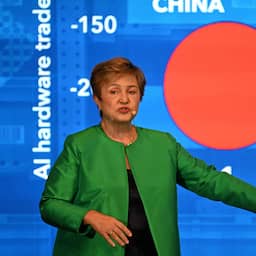
The IMF has warned that the global economy faces significant threats from rising national debt, increasing energy demand driven by AI, and high energy prices. These economic pressures are creating growing inequality between nations, prompting the organization to call for immediate international policy action.