ad

This is what the cabinet is doing with your wallet: gifts now, a bill later
This is what the cabinet is doing with your wallet: gifts now, a bill later

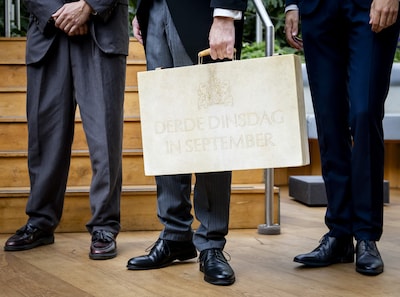
The Dutch cabinet's new budget provides minor purchasing power relief but introduces a net tax increase for citizens to fund defense and bridge fiscal gaps. While wage taxes rise, labor remains more heavily taxed than capital, leading experts to warn that significant structural choices are being postponed.

The Dutch government has unveiled its latest budget, featuring a 1.7 billion euro purchasing power package that includes minor tax cuts on wages and fuel. However, critics note this relief is partially offset by higher taxes on incomes exceeding 80,000 euros and reduced tax credits for pensioners. Ultimately, the government is implementing a net tax increase of 3.4 billion euros for the coming year, largely to fund defense expenditures through a new contribution. Officials acknowledge that the tax burden on labor is rising significantly, while capital and profits remain relatively shielded, a point of contention among major economic institutions like the Central Planning Bureau and the Council of State.

To balance the budget, Finance Minister Eelco Heinen has employed accounting strategies such as shifting expenditures to future years and banking on government under-spending. Analysts warn these are temporary fixes for deeper structural issues that remain unresolved. With disagreements between coalition partners regarding wealth and capital gains taxes, the cabinet faces potential long-term instability. The current fiscal trajectory indicates that working citizens will continue to bear a disproportionate share of the tax burden in the years ahead.

Based on reporting by ad. Translated and condensed by LocalHeadlines.

Related articles

Trade with Russia remains lucrative, but companies face risks

Trade with Russia remains lucrative, but companies face risks

Despite 21 rounds of European Union sanctions against Russia, some businesses continue to profit by using third-party countries to bypass export restrictions. Experts warn that while such trade is lucrative, it carries significant legal risks, including criminal prosecution and prison time for those who intentionally circumvent these measures.

Private landlords are renting out fewer properties in the city: "A problem for students"

Private landlords are renting out fewer properties in the city: "A problem for students"

Private rental properties in Amsterdam have decreased by 18 percent in three years as landlords sell their units due to new rent control laws and increased taxation. While this shift favors buyers, it creates a significant housing crisis for students and individuals who cannot afford to purchase property in the city.

No funding for Zuidasdok megaproject in new cabinet plans

No funding for Zuidasdok megaproject in new cabinet plans

The Dutch government has frozen funding for the northern part of the Zuidasdok project to prioritize the maintenance of existing national infrastructure. This decision delays one of the country's largest development projects, sparking concerns in Amsterdam over long-term economic and accessibility impacts.

From Nedersaksen line to A20 highway: billion-euro deficit forces cabinet to make tough infrastructure choices this week

From Nedersaksen line to A20 highway: billion-euro deficit forces cabinet to make tough infrastructure choices this week

The Dutch government is set to make challenging decisions this week on infrastructure investment due to a multi-billion euro budget deficit. Officials must weigh the urgent need to repair aging roads and bridges against the viability of new projects like the Nedersaksenlijn and the A20 highway.

It is tough, it is technical, but the solution for box 3 is also hyper-political

It is tough, it is technical, but the solution for box 3 is also hyper-political

The Dutch cabinet is struggling to find a parliamentary majority for its tax plans, specifically regarding the controversial Box 3 issue. The government is currently navigating a difficult negotiation process between conflicting demands from right-wing opposition parties and internal disagreements within the three-party coalition.