rss

Prinsjesdag 2026: what the Budget Memorandum means for Amsterdam
Prinsjesdag 2026: what the Budget Memorandum means for Amsterdam

The Dutch government’s 2026 budget introduces increased near-term funding for municipalities but signals future budget cuts, impacting Amsterdam's long-term financial planning. While the city welcomes incentives for housing development, it criticizes the national government's lack of support for tackling homelessness and mental healthcare issues.

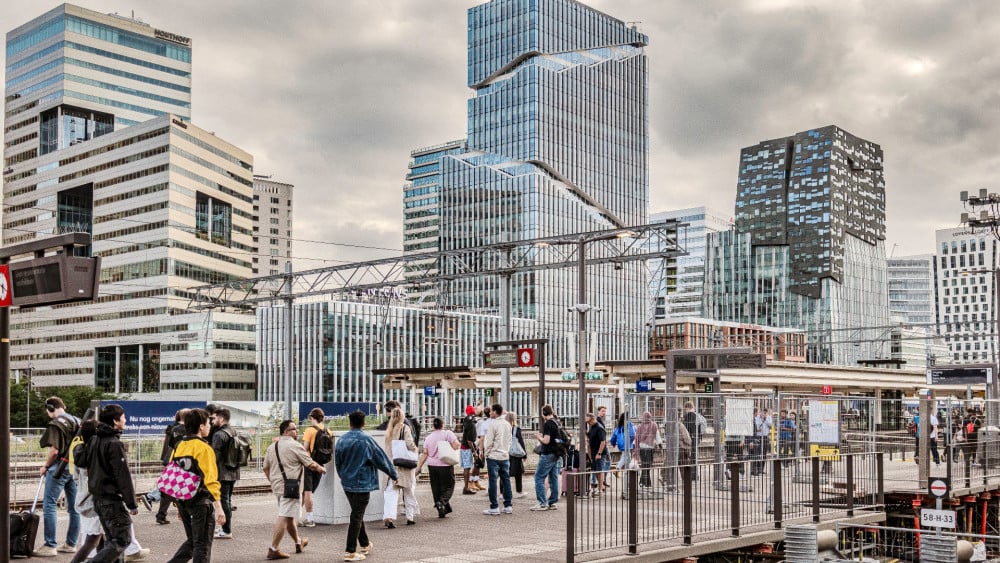
The Dutch government has unveiled its budget plans for 2026, which carry significant implications for Amsterdam. While municipal funding for 2027 will increase to 49.96 billion euros, projections indicate a steady decline thereafter through 2031. The Amsterdam municipal government expressed cautious optimism regarding initiatives for housing and innovation, but voiced disappointment over insufficient national support for tackling homelessness, mental healthcare, and climate objectives. A notable point of uncertainty remains the funding for the Zuidasdok infrastructure project, as the national budget includes a general infrastructure allocation without confirming specific investment amounts for the site.

Furthermore, the city government welcomed new tax measures expected to provide woningcorporaties with more capacity to build and maintain social housing. Conversely, concerns persist regarding planned national cuts to social security programs like WW and WIA benefits, which have previously prompted labor unrest. As Amsterdam prepares for its own municipal budget announcement, officials remain focused on engaging the cabinet to address local challenges related to urban public safety and the needs of vulnerable citizens.

Based on reporting by rss. Translated and condensed by LocalHeadlines.
Related articles

Private landlords are renting out fewer properties in the city: "A problem for students"

Private landlords are renting out fewer properties in the city: "A problem for students"

Private rental properties in Amsterdam have decreased by 18 percent in three years as landlords sell their units due to new rent control laws and increased taxation. While this shift favors buyers, it creates a significant housing crisis for students and individuals who cannot afford to purchase property in the city.

Seizure of 'Antifa server' at US request leads to questions and concerns

Seizure of 'Antifa server' at US request leads to questions and concerns

Dutch authorities have seized a server belonging to the Italian hosting provider Autistici/Inventati at the request of the United States. The U.S. government classifies the company as a terrorist entity, sparking concerns among Dutch digital rights groups and industry associations regarding the precedent for such cross-border legal actions.

No funding for Zuidasdok megaproject in new cabinet plans

No funding for Zuidasdok megaproject in new cabinet plans

The Dutch government has frozen funding for the northern part of the Zuidasdok project to prioritize the maintenance of existing national infrastructure. This decision delays one of the country's largest development projects, sparking concerns in Amsterdam over long-term economic and accessibility impacts.

Labor exploitation is rising, tackling it remains difficult: 'Justice system must lower the bar'

Labor exploitation is rising, tackling it remains difficult: 'Justice system must lower the bar'

Reports of labor exploitation in the Netherlands increased to 401 in 2025, with significant spikes in the hospitality and agricultural sectors. Experts warn that few cases lead to prosecution due to high legal thresholds, calling for systemic reforms to better protect vulnerable workers from abusive staffing agencies.

New noise zones around Schiphol block 24,000 new homes, so the cabinet chooses to let more residents suffer severe nuisance

New noise zones around Schiphol block 24,000 new homes, so the cabinet chooses to let more residents suffer severe nuisance

The Dutch government plans to adjust noise and safety zones around Schiphol Airport to allow the construction of 24,000 new homes in Amsterdam. This decision is expected to increase the number of people exposed to significant noise pollution, conflicting with previous goals to reduce such disturbances.