nu

EU wants social media ban for children under thirteen
EU wants social media ban for children under thirteen

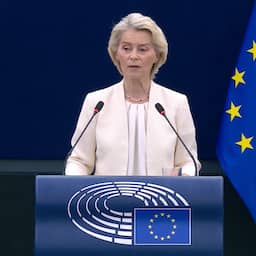
The European Union has introduced the Kids Act to regulate social media access for minors, proposing a total ban for children under thirteen. Adolescents aged thirteen to fifteen would require parental supervision and face usage time limits, while apps for older teenagers must implement safety measures to prevent addiction.

The European Union has announced the Kids Act, a legislative proposal aimed at creating a safer online environment for minors. Under the proposed rules, children under thirteen would be prohibited from creating social media accounts. Adolescents aged thirteen to fifteen would be permitted to use these platforms only with parental supervision and subject to a daily time limit of one hour. For those aged fifteen and older, social media usage would be allowed without parental oversight, provided the platforms adhere to strict safety standards, such as eliminating addictive design features like infinite scrolling.

Furthermore, the initiative intends to restrict online games, streaming services, and AI chatbots that do not meet new safety criteria. The Dutch government has expressed support for these measures, having previously advocated for a minimum age requirement of fifteen for unsafe digital platforms. The official legislative text is scheduled for presentation, after which it must undergo a lengthy approval process involving the European Parliament and member states. The final regulations remain subject to negotiation and potential adjustments over the coming months.

Based on reporting by nu. Translated and condensed by LocalHeadlines.

Related articles

Seizure of 'Antifa server' at US request leads to questions and concerns

Seizure of 'Antifa server' at US request leads to questions and concerns

Dutch authorities have seized a server belonging to the Italian hosting provider Autistici/Inventati at the request of the United States. The U.S. government classifies the company as a terrorist entity, sparking concerns among Dutch digital rights groups and industry associations regarding the precedent for such cross-border legal actions.

EU selects 46 raw materials projects to reduce dependence on China

EU selects 46 raw materials projects to reduce dependence on China

The European Commission has launched 46 projects across sixteen countries to reduce reliance on China for vital raw materials like lithium and copper. These initiatives, supported by prioritized permits and funding assistance, aim to significantly boost domestic processing and recycling capacity by 2030.

Long wait times at Schiphol due to electronic passport control failure

Long wait times at Schiphol due to electronic passport control failure

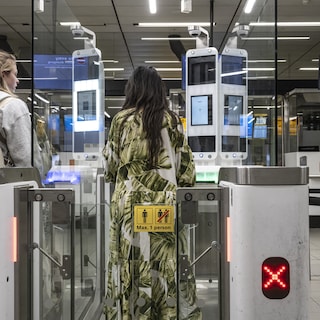
Schiphol Airport is facing significant passenger delays after a technical failure incapacitated its automated eGate passport control system on Sunday morning. Royal Netherlands Marechaussee officers are currently conducting manual checks as they investigate the cause of the malfunction, which is not believed to be a cyberattack.

The Greenhouse | I prefer to jump on the facts rather than the barricade

The Greenhouse | I prefer to jump on the facts rather than the barricade

A climate journalist explores the tension between objective reporting and the pressure to advocate for systemic change to combat the climate crisis. The author concludes that journalists should remain factual rather than activist to effectively reach a wide and diverse audience.

Trade with Russia remains lucrative, but companies face risks

Trade with Russia remains lucrative, but companies face risks

Despite 21 rounds of European Union sanctions against Russia, some businesses continue to profit by using third-party countries to bypass export restrictions. Experts warn that while such trade is lucrative, it carries significant legal risks, including criminal prosecution and prison time for those who intentionally circumvent these measures.