ad

Read here the questions readers had about the Budget Memorandum, such as: Will I be punished if I don't drive an electric car?
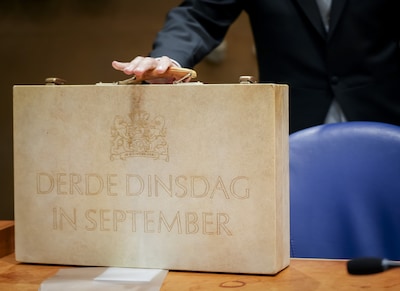
Read here the questions readers had about the Budget Memorandum, such as: Will I be punished if I don't drive an electric car?

Dutch journalists held a live Q&A session to address public inquiries regarding the 2026 Budget Memorandum. Topics ranged from economic policy and healthcare premiums to future changes in disability benefits and environmental investments.

Journalists from AD held a live Q&A session on September 16, 2026, to address public concerns regarding the Dutch government's Budget Memorandum. The discussion covered a wide array of topics, including taxes on business vehicles, the government's influence on healthcare premiums, and the allocation of funds for international development and artificial intelligence research.

Participants also questioned the political process, specifically the difficulties in reaching legislative compromises and the reliance on incremental budget cuts rather than major structural reforms. Experts explained that while the government provides guidelines, such as nominal healthcare premiums, individual insurers ultimately set final rates. The session clarified that although the government prefers electric vehicle adoption, support measures like temporary tax reductions for commercial vans are phasing out, and long-term plans for disability benefits may change significantly after 2030 to simplify execution.

Based on reporting by ad. Translated and condensed by LocalHeadlines.
Related articles

22,000 homes at risk due to cabinet funding shortfall: ‘We must also solve the housing crisis’

22,000 homes at risk due to cabinet funding shortfall: ‘We must also solve the housing crisis’

A lack of government funding for public transport infrastructure threatens the construction of 22,000 new homes across the Netherlands. Stakeholders warn that these housing projects are at risk because they rely on new transit connections to remain viable.

The Greenhouse | I prefer to jump on the facts rather than the barricade

The Greenhouse | I prefer to jump on the facts rather than the barricade

A climate journalist explores the tension between objective reporting and the pressure to advocate for systemic change to combat the climate crisis. The author concludes that journalists should remain factual rather than activist to effectively reach a wide and diverse audience.

Trade with Russia remains lucrative, but companies face risks

Trade with Russia remains lucrative, but companies face risks

Despite 21 rounds of European Union sanctions against Russia, some businesses continue to profit by using third-party countries to bypass export restrictions. Experts warn that while such trade is lucrative, it carries significant legal risks, including criminal prosecution and prison time for those who intentionally circumvent these measures.

Private landlords are renting out fewer properties in the city: "A problem for students"

Private landlords are renting out fewer properties in the city: "A problem for students"

Private rental properties in Amsterdam have decreased by 18 percent in three years as landlords sell their units due to new rent control laws and increased taxation. While this shift favors buyers, it creates a significant housing crisis for students and individuals who cannot afford to purchase property in the city.

Seizure of 'Antifa server' at US request leads to questions and concerns

Seizure of 'Antifa server' at US request leads to questions and concerns

Dutch authorities have seized a server belonging to the Italian hosting provider Autistici/Inventati at the request of the United States. The U.S. government classifies the company as a terrorist entity, sparking concerns among Dutch digital rights groups and industry associations regarding the precedent for such cross-border legal actions.