2027 budget: civil service reorganization delayed, little room for new investments
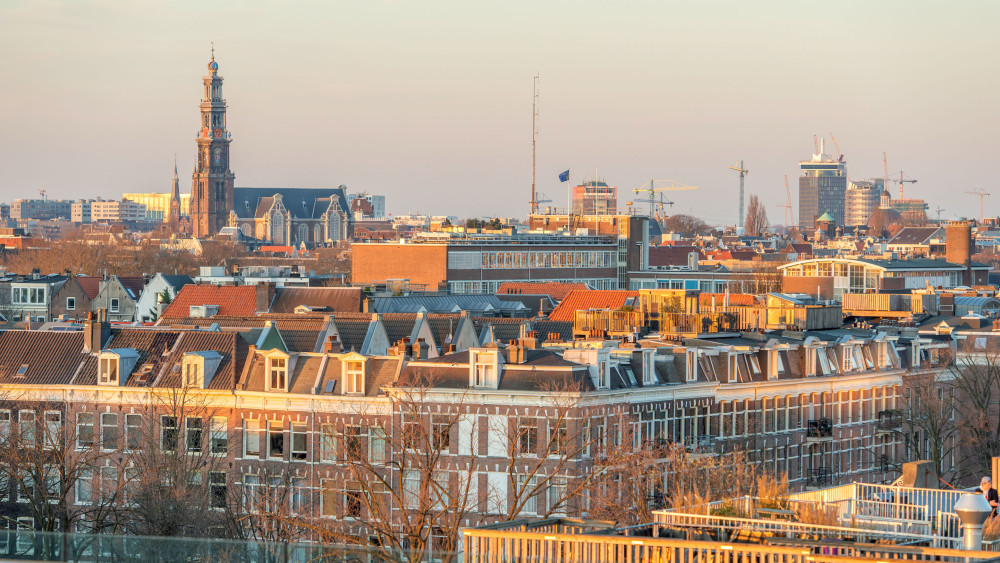
Amsterdam's 2027 budget highlights a period of financial hardship due to rising interest costs and debt, leaving little room for new city investments. The local government is focusing on basic maintenance and essential services, while delaying a planned administrative reorganization and relying on increased tourist and parking taxes for revenue.
The City of Amsterdam has released its 2027 budget, which marks the first formal implementation of the coalitional agreement between Pro and D66. Facing significant financial pressure, the local government has prioritized maintaining core services over launching new large-scale projects. Increasing interest costs on the city's growing debt—expected to reach 10.9 billion euros by 2030—and rising inflation have limited the budget significantly. Consequently, major infrastructure plans, including the expensive Oostbrug project, face uncertain futures as the city struggles to balance maintenance costs with new ambitions.
To manage these financial constraints, the city is increasing revenues through higher parking fees and tourist taxes. Meanwhile, a planned administrative reorganization intended to cut 2,500 jobs to save 250 million euros by 2030 is currently running behind schedule. Despite the austere environment, the budget allocates new funds to address homelessness and drug-related public nuisance. Finance Alderman Hendrik Jan Biemond emphasized that the city's primary focus is keeping the basics in order, with limited financial room available for new sustainability or development goals.
Based on reporting by rss. Translated and condensed by LocalHeadlines.