Solar panels become a cost burden for tenants as the cabinet keeps a tight grip on spending
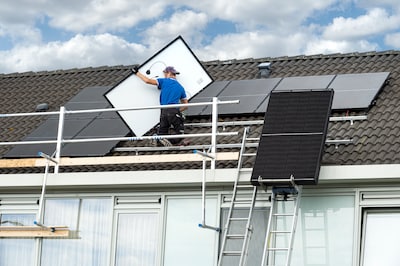
Tenants in the Netherlands with solar panels face financial burdens as the net-metering scheme ends in 2027, making rental costs higher than the electricity yields. Despite calls for government intervention to lower service costs, there is no current budget, leading to widespread frustration and a sharp decline in new green energy installations.
Tens of thousands of tenants in the Netherlands are facing financial losses due to the upcoming abolition of the net-metering scheme for solar energy. Previously, these tenants benefited from shared yields on solar panels installed by housing corporations or private landlords. However, with the scheme set to end on January 1, 2027, the costs of renting these installations will likely exceed the value of the electricity produced. Estimates suggest that up to 85 percent of affected tenants will face increased monthly costs, impacting their purchasing power at a time when energy prices are already rising. Tenants cannot easily cancel these contracts, nor can they simply remove the panels. The Woonbond is urging the cabinet to provide funding to lower service costs, arguing that the government will collect significant extra tax revenue from the scheme's cancellation. In response to these challenges and general uncertainty, trust in green initiatives has declined, causing a sharp drop in new solar panel installations on social housing.
Based on reporting by ad. Translated and condensed by LocalHeadlines.