rss

Mystery packages are on the rise, now in Haarlem too: how innocent is this hype?
Mystery packages are on the rise, now in Haarlem too: how innocent is this hype?

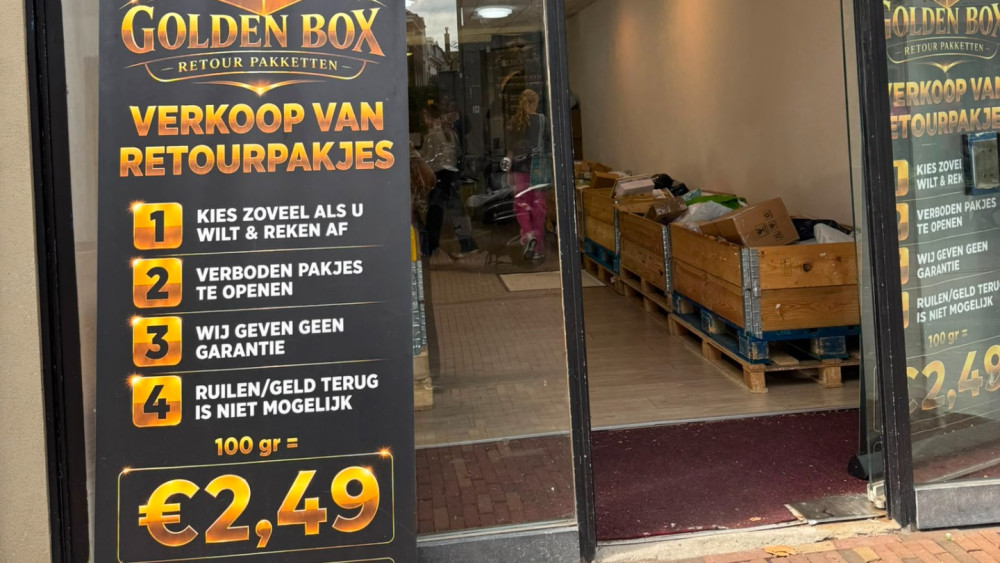
Pop-up stores selling mystery packages of returned goods are becoming increasingly popular across the Netherlands, including a new location in Haarlem. While customers are drawn by the excitement of potentially finding high-value items, experts and consumer advocates warn that the practice mimics gambling and carries risks, especially for minors.

Pop-up stores selling mystery packages containing returned or lost items have become a common sight across the Netherlands, with the latest shop opening in Haarlem. Customers pay a fixed price for these unopened boxes, hoping to find valuable items like electronics, though they often receive goods of little or no worth. According to consumer psychologists, this practice relies on the same psychological mechanisms as gambling, where the thrill of the unknown and the potential for a high-value reward encourage people to make irrational purchases. Experts warn that this trend can be particularly problematic for younger, more vulnerable consumers.

Questions have also been raised regarding the origin and quality of the merchandise, as sellers often use marketing terms that may be misleading. While consumer advocacy groups do not outright oppose the sale of these items, they emphasize the need for transparency and fair practices. Concerns persist regarding the potential for children to encounter age-inappropriate items and the environmental impact of products that are ultimately discarded by dissatisfied buyers. As the hype grows, experts suggest that greater protections and age restrictions may be necessary to ensure consumers are shielded from potential risks.

Based on reporting by rss. Translated and condensed by LocalHeadlines.
Related articles

Butcher surprised by drop in meat consumption: 'Customers keep coming'

Butcher surprised by drop in meat consumption: 'Customers keep coming'

Meat consumption in the Netherlands has dropped by 12 percent over the last ten years, driven largely by the rising cost of beef and pork. Despite this national decline, specialized butcher shops remain stable by diversifying their product assortments and catering to customers who prioritize quality.

Farmer and toy seller: why be a farmer if you can't make a living from it?

Farmer and toy seller: why be a farmer if you can't make a living from it?

The Houdijk family in Abbenes keeps their farm running by supplementing crop production with a successful toy shop and off-farm employment. Despite the financial instability of the agricultural sector, the next generation remains committed to continuing the family business because of their passion for the lifestyle.

Westeinder campsite residents back in court: 'compensation too low'

Westeinder campsite residents back in court: 'compensation too low'

Residents of Camping De Westeinder have returned to court in Haarlem to challenge the inadequate compensation offered by developer Kleen Estate for their forced relocation. Many residents rely on the park for permanent housing due to the local housing crisis and argue that the current offers are insufficient to cover relocation costs or provide alternative shelter.

Too Good To Go adds plants and shampoo to its magic boxes

Too Good To Go adds plants and shampoo to its magic boxes

The anti-waste platform Too Good To Go is expanding its 'Magic Box' offerings beyond food to include items like plants, shampoo, and home goods. Since its launch in the Netherlands eight years ago, the company has saved 40 million meals and aims to further reduce retail waste through new retail partnerships.

Private landlords in Haarlem sell off property: 1,235 fewer rental homes last year

Private landlords in Haarlem sell off property: 1,235 fewer rental homes last year

Private landlords in Haarlem sold off 1,235 rental properties last year, significantly reducing housing options for middle-income residents. The decline is attributed to stricter government regulations and higher taxes, which have made private renting less financially attractive across the Netherlands.