rss

110 years of Schiphol: what you still recognize
110 years of Schiphol: what you still recognize

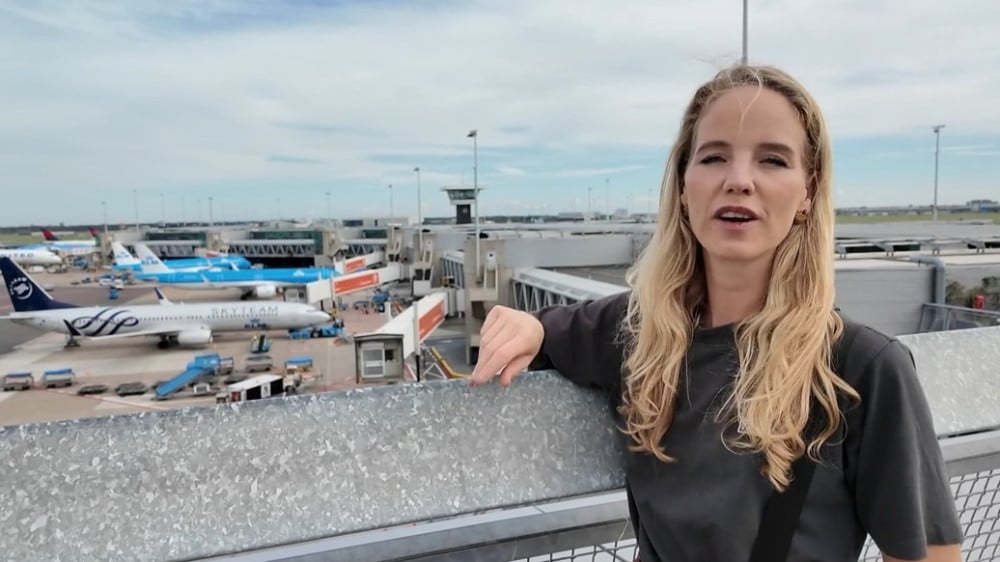
Schiphol Airport celebrates its 110th anniversary by reflecting on its growth from a muddy field into a massive international transport hub. Historical landmarks, including an old control tower and entrance signs in Schiphol-Oost, remain as visible reminders of the airport's pioneering past.

Schiphol Airport is celebrating its 110th anniversary, marking a massive transformation from its origins as a small airfield on a muddy field to a vast international aviation hub. The airport, now spanning an area equivalent to 4,500 football pitches, retains several historical artifacts that serve as reminders of its early days. Long-time employees and archivists emphasize that despite the immense modernization, remnants of the past still define the character of the site.

Key historical features remain visible in the Schiphol-Oost area, which once served as the main entrance to the airport. Archivist Robert Lagendijk points out that the original entry sign and the old air traffic control tower, which operated until 1969, are still standing among modern hangars and office buildings. These structures provide a glimpse into an era when aviation was a novelty and the airport environment was significantly smaller and more intimate. Today, the airport reflects on this evolution through documentaries and personal stories from staff who have witnessed its growth over decades.

Based on reporting by rss. Translated and condensed by LocalHeadlines.
Related articles

Not selling out is not a death blow for festival: 'But be careful not to price yourself out of the market'

Not selling out is not a death blow for festival: 'But be careful not to price yourself out of the market'

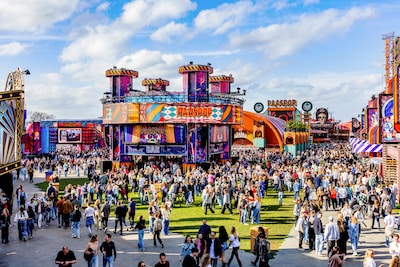
Festival organizations in the Netherlands faced a challenging summer marked by extreme weather, rising operational costs, and fluctuating ticket sales. Despite these significant hurdles, industry professionals remain optimistic due to the sector's inherent creativity and ability to adapt to difficult circumstances.

ADE: from trade fair to global stage in 30 years

ADE: from trade fair to global stage in 30 years

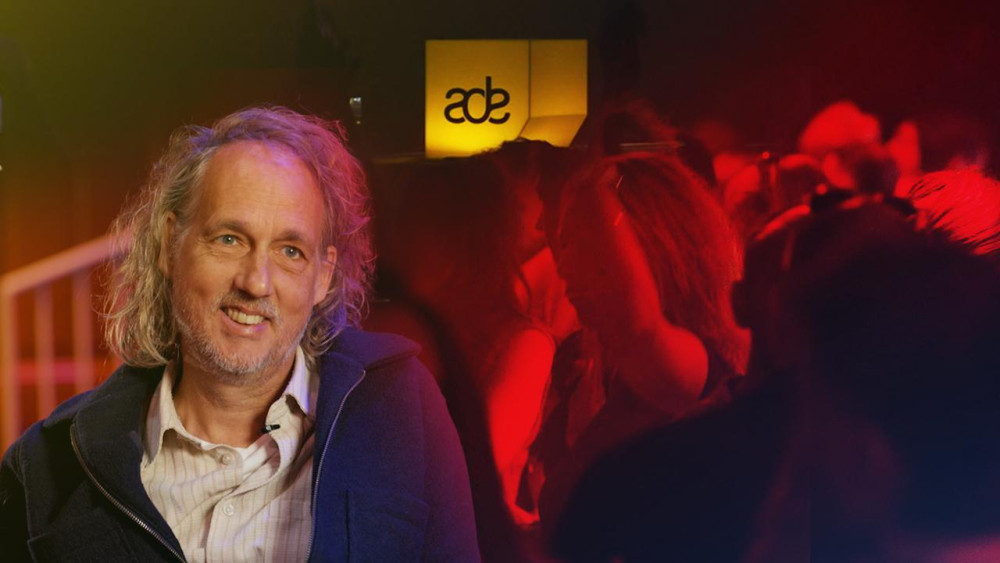
Over the past 30 years, the Amsterdam Dance Event has evolved from a small gathering of 30 performances in three clubs to a massive international festival featuring over 1,200 events. This transformation underscores its significant growth and long-standing importance in the global electronic music scene.

Not just IDFA: Amsterdam’s wider cultural sector hit by rising hotel costs as tourist tax hike drives away key visitors

Not just IDFA: Amsterdam’s wider cultural sector hit by rising hotel costs as tourist tax hike drives away key visitors

Amsterdam's cultural sector, including major events like IDFA, ADE, and the Holland Festival, is struggling due to rising tourist taxes and hotel VAT. These increased costs are forcing organizers to raise ticket prices and reduce programming, threatening the accessibility and quality of the city's cultural offerings.

The interim assessment of Project Cruyff: 8 conclusions on his mission at Ajax

The interim assessment of Project Cruyff: 8 conclusions on his mission at Ajax

Jordi Cruijff has reached his 250th day as a leader at Ajax, prompting an evaluation of his influence on the club's operations. Eight specific conclusions have been drawn regarding his mission as the team prepares for an upcoming away match against FC Groningen.

30 years of ADE: how a small networking conference grew into the world's largest dance marathon

30 years of ADE: how a small networking conference grew into the world's largest dance marathon

The Amsterdam Dance Event is celebrating its 30th anniversary, having grown from a small industry gathering into the world's largest dance festival. Over the past three decades, the event has helped transform electronic music into a recognized art form while solidifying the Netherlands' reputation as a global leader in the dance industry.