nu

Stickers, gardens, cuddly toys: how supermarkets tempt children to eat vegetables

Stickers, gardens, cuddly toys: how supermarkets tempt children to eat vegetables

Dutch supermarkets are utilizing loyalty campaigns featuring plush toys and character-based collectibles to encourage children to consume more fruits and vegetables. While retailers claim these initiatives promote healthier eating, experts warn that the programs are primarily marketing tools that drive customer loyalty rather than proven health interventions.

Supermarket chains in the Netherlands are increasingly using loyalty programs featuring collectibles, plush toys, and popular characters to encourage children to eat more fruits and vegetables. Retailers such as Lidl, PLUS, and Albert Heijn argue that these campaigns help introduce children to healthier food options while aligning with national health goals. By leveraging recognizable figures, these supermarkets hope to make fresh produce more appealing and accessible to younger consumers.

However, experts and watchdogs remain skeptical about the true impact of these marketing tactics. Behavioral economist Anouar el Haji notes that while these programs successfully drive store traffic and customer loyalty, there is no scientific evidence that they actually lead to increased vegetable consumption. Critics from organizations like Foodwatch argue that such initiatives are primarily marketing tools rather than genuine public health efforts, suggesting that supermarkets focus on profit motives despite claiming a mission to improve public health. Ultimately, these campaigns serve as effective tools for customer retention, even if they do not necessarily change the dietary habits of children in the long term.

Based on reporting by nu. Translated and condensed by LocalHeadlines.

Related articles

Sunny (55) has a racy job but is looking for a career change: ‘How can I phrase my work experience?’

Sunny (55) has a racy job but is looking for a career change: ‘How can I phrase my work experience?’

A 55-year-old woman named Sunny is seeking career advice on how to professionally reframe her years of experience as a sex worker while transitioning to a new field. She is consulting with Anne-Marije Buckens, an expert who specializes in assisting individuals over the age of 50 with their job searches.

Butcher surprised by drop in meat consumption: 'Customers keep coming'

Butcher surprised by drop in meat consumption: 'Customers keep coming'

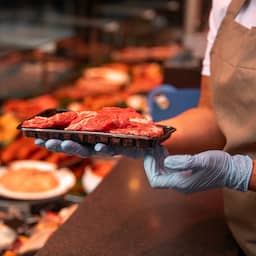
Meat consumption in the Netherlands has dropped by 12 percent over the last ten years, driven largely by the rising cost of beef and pork. Despite this national decline, specialized butcher shops remain stable by diversifying their product assortments and catering to customers who prioritize quality.

Farmer and toy seller: why be a farmer if you can't make a living from it?

Farmer and toy seller: why be a farmer if you can't make a living from it?

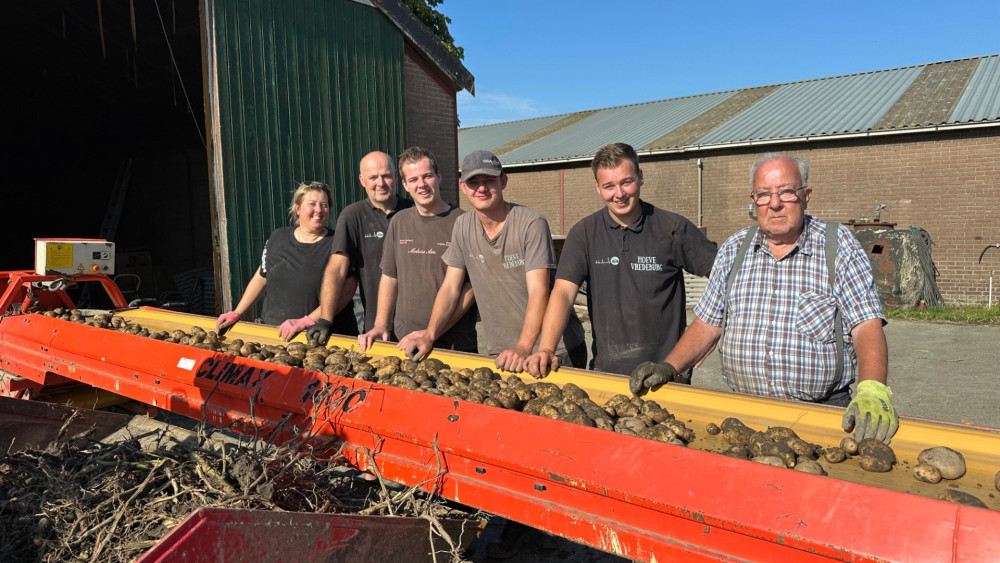
The Houdijk family in Abbenes keeps their farm running by supplementing crop production with a successful toy shop and off-farm employment. Despite the financial instability of the agricultural sector, the next generation remains committed to continuing the family business because of their passion for the lifestyle.

Westeinder campsite residents back in court: 'compensation too low'

Westeinder campsite residents back in court: 'compensation too low'

Residents of Camping De Westeinder have returned to court in Haarlem to challenge the inadequate compensation offered by developer Kleen Estate for their forced relocation. Many residents rely on the park for permanent housing due to the local housing crisis and argue that the current offers are insufficient to cover relocation costs or provide alternative shelter.

Too Good To Go adds plants and shampoo to its magic boxes

Too Good To Go adds plants and shampoo to its magic boxes

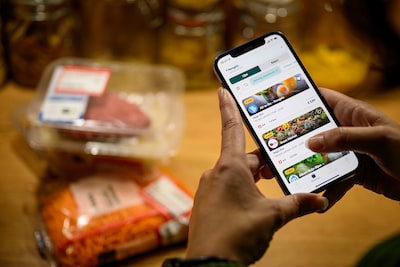
The anti-waste platform Too Good To Go is expanding its 'Magic Box' offerings beyond food to include items like plants, shampoo, and home goods. Since its launch in the Netherlands eight years ago, the company has saved 40 million meals and aims to further reduce retail waste through new retail partnerships.