Fewer oil tankers sailing through Strait of Hormuz
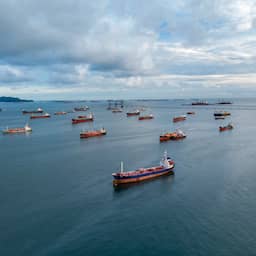
Shipping traffic through the Strait of Hormuz has dropped significantly following a blockade linked to rising tensions between Iran and the United States. The resulting supply chain disruption has led to record-high fuel prices and increased energy costs for consumers globally.
Shipping data indicates a significant decline in traffic through the Strait of Hormuz, with only twelve vessels recorded passing through on Monday compared to 35 over the previous weekend. Before the conflict between Iran and the United States, roughly 125 commercial ships traversed the strait daily, facilitating the transport of one-fifth of the world's oil and liquefied natural gas. While some producers continue to export by disabling transponders, visible traffic remains at a minimum as hundreds of tankers have been stranded due to the blockade.
The ongoing disruption in this critical maritime chokepoint has caused global energy prices to surge. This has directly impacted consumers, leading to record-high fuel costs at the pump, with diesel reaching 2.824 euros per liter and gasoline climbing to 2.712 euros. These figures, reported by UnitedConsumers, reflect the broader economic consequences of the blocked trade route, which continues to limit the movement of essential energy supplies to international markets.
Based on reporting by nu. Translated and condensed by LocalHeadlines.