ad

Russia threatens to seize multiple Western companies: bad news for Nestlé and Auchan supermarket
Russia threatens to seize multiple Western companies: bad news for Nestlé and Auchan supermarket

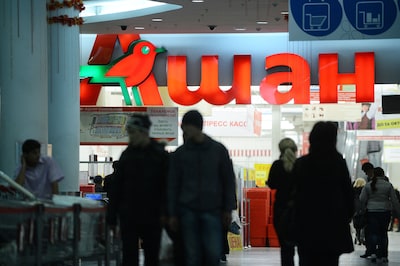
Russian President Vladimir Putin has placed the local assets of 81 Western companies, including Nestlé and Auchan, under the temporary management of an entity led by a government-linked official. This move, which mirrors previous seizures of firms like Danone, signals increased risk for Western businesses that continued operations in Russia following the invasion of Ukraine.

Russian President Vladimir Putin has issued a decree placing the local assets of 81 foreign companies under the temporary management of L.E.V. Management, an entity led by General Andrei Krayushkin. The affected firms include Swiss food giant Nestlé, French supermarket chain Auchan, construction retailer Lemana Pro, and logistics provider FM Logistic. While the companies technically retain ownership, they have lost operational control, echoing previous state seizures of firms like Danone and Carlsberg. Experts note this move recalls practices from the post-1917 Soviet era, putting pressure on Western businesses that remained in the country following the invasion of Ukraine.

In response to the decree, Nestlé stated it is evaluating the situation to protect its interests and employees, while Auchan reported that its facilities continue to operate normally while it seeks clarification on the order. This aggressive policy targets companies from nations deemed unfriendly due to their support for Ukraine. Historical precedents, such as the 1 billion euro write-down suffered by Danone when its assets were seized and handed to loyalists of Chechen leader Ramzan Kadyrov, suggest that these temporary management orders often lead to permanent loss of assets.

Based on reporting by ad. Translated and condensed by LocalHeadlines.

Related articles

Trade with Russia remains lucrative, but companies face risks

Trade with Russia remains lucrative, but companies face risks

Despite 21 rounds of European Union sanctions against Russia, some businesses continue to profit by using third-party countries to bypass export restrictions. Experts warn that while such trade is lucrative, it carries significant legal risks, including criminal prosecution and prison time for those who intentionally circumvent these measures.

Westeinder campsite residents back in court: 'compensation too low'

Westeinder campsite residents back in court: 'compensation too low'

Residents of Camping De Westeinder have returned to court in Haarlem to challenge the inadequate compensation offered by developer Kleen Estate for their forced relocation. Many residents rely on the park for permanent housing due to the local housing crisis and argue that the current offers are insufficient to cover relocation costs or provide alternative shelter.

Money has to come from somewhere in Brussels: new European taxes firmly on the table

Money has to come from somewhere in Brussels: new European taxes firmly on the table

Brussels is proposing new levies on plastics, carbon emissions, and parcel deliveries to generate independent revenue for the European Union. Critics argue these measures could act as a gateway to centralized European taxation rather than acting as genuine policy solutions.

Oil price dips slightly after Trump does business with Putin

Oil price dips slightly after Trump does business with Putin

Oil prices dipped slightly after President Trump secured a deal to import diesel from Russia in an attempt to lower fuel costs before the upcoming midterm elections. The agreement has drawn criticism from Ukrainian President Volodymyr Zelensky, who called it a concession to Russia and challenged claims regarding a de-escalation of energy infrastructure attacks.

US cannot survive a day on Russian diesel: 'This will have zero effect on the price'

US cannot survive a day on Russian diesel: 'This will have zero effect on the price'

A trade deal between Donald Trump and Vladimir Putin to supply Russian diesel to the US is unlikely to lower fuel prices because the volume is insufficient to meet even one day of national demand. The agreement has faced significant criticism from European officials due to its potential geopolitical implications.