Luxury brands see middle class pulling back: expensive handbags becoming less of a staple
Middle-class consumers are purchasing fewer luxury goods due to significant price increases and changing spending priorities. Consequently, luxury brands are shifting their strategies to provide more exclusive services to their wealthiest clients while competing with the growing demand for luxury travel and dining experiences.
Middle-class consumers are increasingly withdrawing from the luxury goods market, leading major fashion houses to shift their focus toward high-net-worth individuals. Industry reports from Bain & Company and Deloitte suggest that aggressive price hikes, driven by inflation and global instability, have made luxury handbags and clothing less accessible to the average buyer. As a result, shoppers are becoming more selective with their discretionary spending, often opting to invest in experiences rather than physical luxury goods.
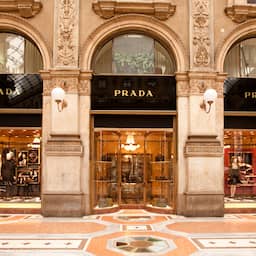
Data from the Italian association Altagamma indicates that sectors like hospitality, travel, and fine dining are currently outpacing the sales growth of traditional fashion products. While the personal luxury market is still projected to see modest growth of two to four percent this year, performance varies significantly between brands. To adapt, companies are prioritizing top-tier clientele; for instance, Prada has introduced private, personalized shopping areas in its Milan flagship store to cater specifically to its most affluent customers.
Based on reporting by nu. Translated and condensed by LocalHeadlines.