rss

Tradition ends after 20 years: Amsterdam police must stop organizing iftars
Tradition ends after 20 years: Amsterdam police must stop organizing iftars

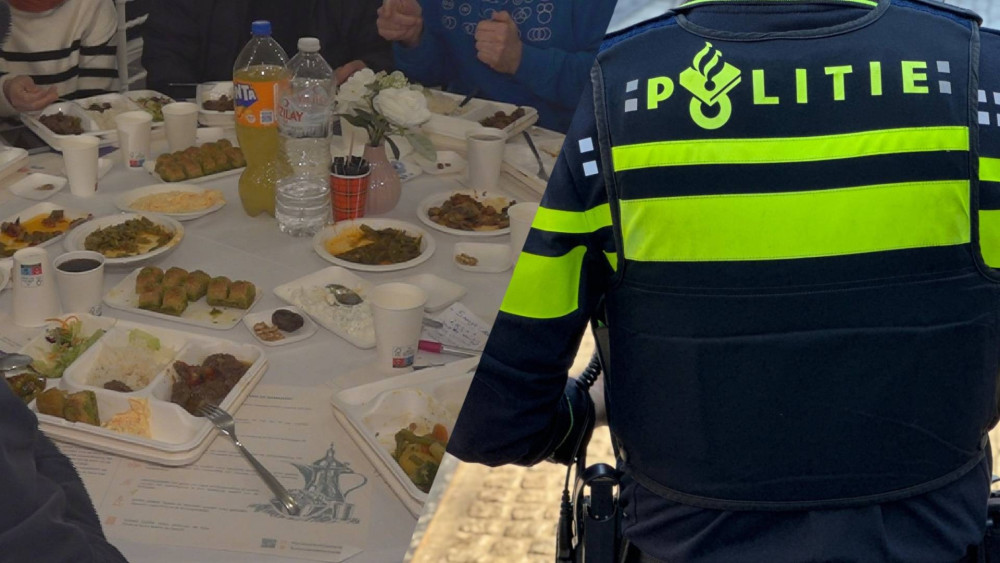
Amsterdam police are ending their twenty-year tradition of organizing iftar meals for the public to better maintain an image of institutional neutrality. While internal staff holiday celebrations will continue, the police will no longer host or facilitate religious meals for external guests.

The Amsterdam police have announced that they will no longer organize iftar meals for external guests starting next year. This decision marks the end of a twenty-year tradition that included both large events at the Beurs van Berlage and smaller gatherings at local police stations. Minister of Justice and Security David van Weel explained that hosting such religious celebrations could potentially compromise the perceived neutrality of the police force, leading to a confusing signal for citizens. The national police leadership, in coordination with regional units, made the final determination despite historical support for these events.

While internal staff dinners for holidays like Christmas, Easter, or Ramadan are still permitted for colleagues, the police will no longer host or organize these celebrations for the public. The move has faced some internal criticism, with some officers questioning the change, noting that the events served as valuable network meetings where meals were shared with the community. Despite these objections, the policy change is set to be implemented, ending the long-standing practice of police-hosted public iftars.

Based on reporting by rss. Translated and condensed by LocalHeadlines.
Related articles

Amsterdam invests 2.5 million euros in five community centers, H-buurt to get large meeting place with music studio

Amsterdam invests 2.5 million euros in five community centers, H-buurt to get large meeting place with music studio

Amsterdam is investing 2.5 million euros to open and renovate five community centers to combat social isolation and improve neighborhood stability. The initiative includes a major new facility in the H-buurt and upgrades to existing spaces across various city districts to support residents facing poverty and other challenges.

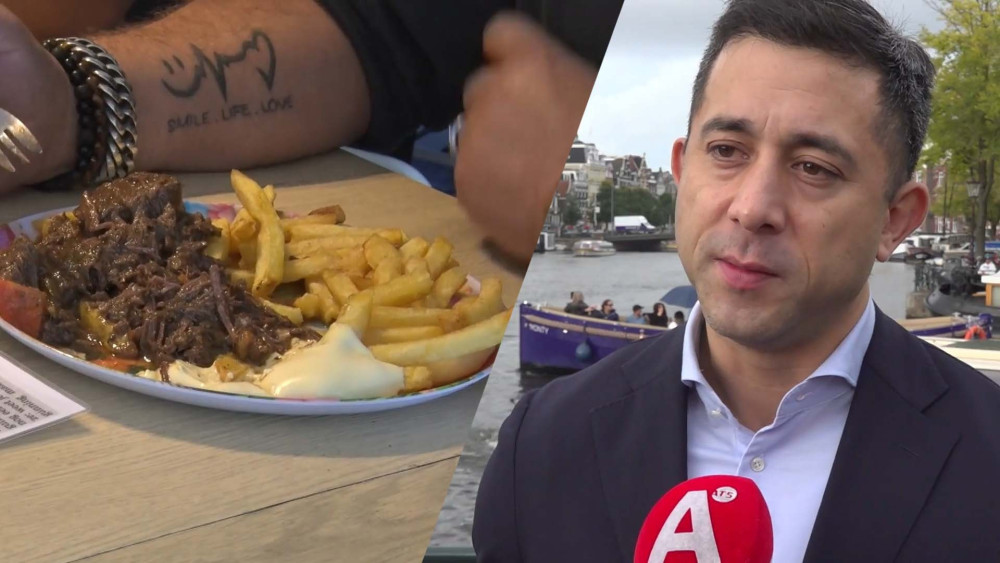
No new snack bars near schools? Amsterdam looks for legal ways to limit unhealthy food options

No new snack bars near schools? Amsterdam looks for legal ways to limit unhealthy food options

Amsterdam is attempting to legally restrict new unhealthy food outlets, especially near schools, by testing the boundaries of current environmental laws in court. The city hopes this pilot case will either empower local authorities to act now or provide the necessary evidence to pressure the national government into finalizing a new Food Act.

Municipality to open its own healthy restaurant to combat excess of fast food outlets

Municipality to open its own healthy restaurant to combat excess of fast food outlets

The Amsterdam municipal government plans to open and then deny a permit for its own unhealthy restaurant to test legal limits regarding health-based zoning. By taking the matter to court, officials aim to establish a precedent that would allow the city to restrict new fast-food establishments in the future.

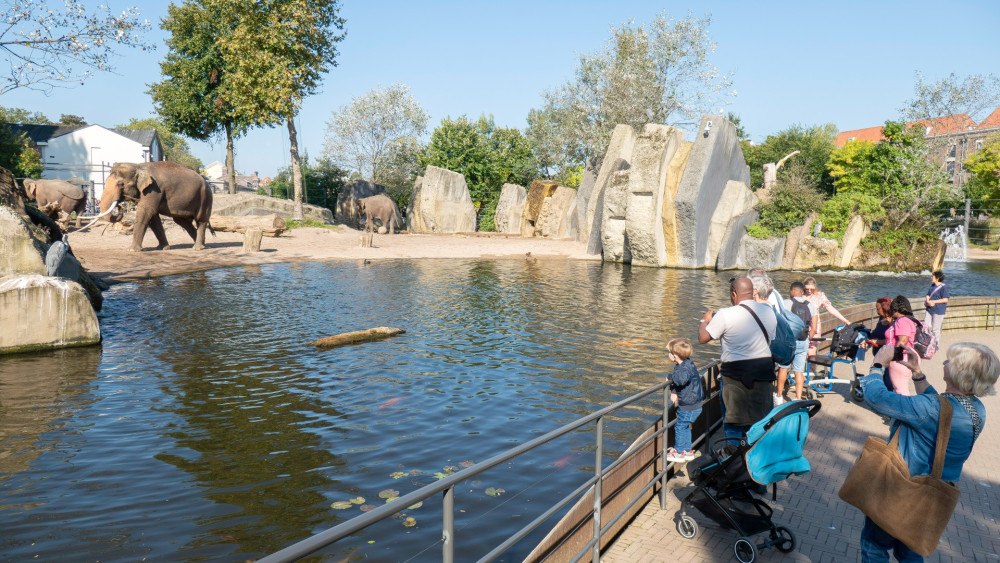
Artis pleased with new zoo regulations: "Easier and faster to improve animal welfare"

Artis pleased with new zoo regulations: "Easier and faster to improve animal welfare"

The Dutch government is planning to overhaul zoo regulations to reduce bureaucratic red tape and improve animal welfare standards. The Artis zoo in Amsterdam welcomes the change, noting that simplified permit processes will allow them to modernize habitats more efficiently.

Netherlands returns diamond from Rijksmuseum and other objects to Indonesia

Netherlands returns diamond from Rijksmuseum and other objects to Indonesia

The Netherlands is returning various historical artifacts, including the diamond of Banjarmasin, to Indonesia following evidence that they were acquired through involuntary loss during the colonial era. The official confirmation of the transfer took place in Amsterdam, with the objects expected to return to Indonesia early next year.