parool

Cocaine press with gang logo found in Amsterdam rental home, judge approves eviction
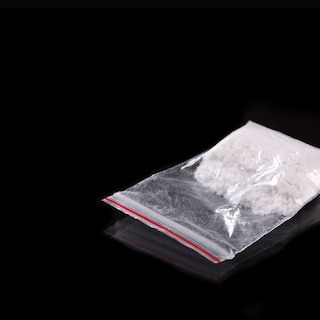
Cocaine press with gang logo found in Amsterdam rental home, judge approves eviction

A court in Amsterdam has ordered the eviction of a tenant after police discovered a large-scale cocaine processing facility inside his rental apartment in October 2025. Despite the tenant's claims of personal struggles and rehabilitation, the judge ruled that the significant safety risks to the community justified the termination of the lease.

In October 2025, authorities raided a rental property in Amsterdam after a neighbor reported suspicious activity involving numerous visitors. Inside the home, police discovered a full-scale cocaine processing facility spanning the entire residence, including chemicals, press molds, and branding plates featuring a gang logo. The presence of these hazardous materials posed significant risks of fire, explosions, and chemical exposure to residents in the vicinity.

The tenant, who cited struggles with substance abuse and health issues, claimed he found the drug paraphernalia on the street, a narrative the court dismissed as non-credible. Despite the man’s efforts to reform and his participation in a municipal work program, the Amsterdam court ordered the eviction of the property. The ruling emphasized that the severe threat to public safety and the clear breach of lease obligations necessitated the termination of his contract. This incident contributes to a record-breaking year for local authorities, who dismantled ten drug laboratories in the city during 2025, reflecting a broader trend of illicit production moving into residential areas across the Netherlands.

Based on reporting by parool. Translated and condensed by LocalHeadlines.

Related articles

French shopkeepers fear millions in losses after looting and destruction

French shopkeepers fear millions in losses after looting and destruction

French retailers are bracing for millions in damages after widespread looting and vandalism struck numerous cities, including Paris and Bordeaux, during recent riots. The government has promised to expedite support and facilitate discussions between business owners and insurers to address the significant financial impact on affected enterprises.

From near extinction to a thriving fishery: how Portugal’s sardine population was saved

From near extinction to a thriving fishery: how Portugal’s sardine population was saved

After facing near-extinction due to overfishing, Portugal's sardine population is recovering thanks to a successful management plan. This restoration has revitalized the local fishing industry while ensuring the fish remains a sustainable and healthy staple of the Portuguese diet.

Trade with Russia remains lucrative, but companies face risks

Trade with Russia remains lucrative, but companies face risks

Despite 21 rounds of European Union sanctions against Russia, some businesses continue to profit by using third-party countries to bypass export restrictions. Experts warn that while such trade is lucrative, it carries significant legal risks, including criminal prosecution and prison time for those who intentionally circumvent these measures.

France admits British cars can be labeled as Made in Europe

France admits British cars can be labeled as Made in Europe

France and Germany have agreed to a compromise for the Industrial Accelerator Act, allowing British cars to qualify as European under specific trade conditions. This exemption requires the UK to adopt European trade measures against Chinese automotive imports, balancing industrial protectionism with market access.

Westeinder campsite residents back in court: 'compensation too low'

Westeinder campsite residents back in court: 'compensation too low'

Residents of Camping De Westeinder have returned to court in Haarlem to challenge the inadequate compensation offered by developer Kleen Estate for their forced relocation. Many residents rely on the park for permanent housing due to the local housing crisis and argue that the current offers are insufficient to cover relocation costs or provide alternative shelter.