nu

State buys shares in Borssele nuclear power plant to keep it open longer
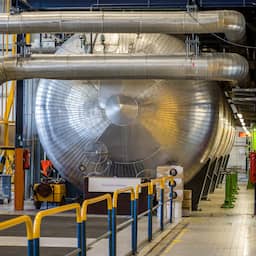
State buys shares in Borssele nuclear power plant to keep it open longer

The Dutch government plans to purchase a majority stake in the Borssele nuclear power plant for 115.7 million euros to ensure it can operate beyond 2033. This move aligns with national efforts to utilize nuclear energy for a stable and carbon-free power supply while relieving local authorities of the financial risks associated with ownership.

The Dutch government has moved to acquire a majority stake in the Borssele nuclear power plant for 115.7 million euros, aiming to ensure its continued operation beyond 2033. This decision follows the provincial government's desire to withdraw from ownership due to the unpredictable financial nature of the facility and its dependence on national energy policy. The cabinet views nuclear power as a vital component of the country's future energy stability, noting that the plant currently provides 485 megawatts of carbon-free electricity to the region.

While the plant is currently authorized to operate until 2033, the Senate has recently approved legislative changes allowing for an extension application. Beyond the initial purchase, the state plans to invest an additional 119 million euros to cover ongoing operational costs. The deal remains subject to final approval from parliament and existing stakeholders, including the German energy firm RWE, which maintains a 30 percent interest in the facility.

Based on reporting by nu. Translated and condensed by LocalHeadlines.
Related articles

Trade with Russia remains lucrative, but companies face risks

Trade with Russia remains lucrative, but companies face risks

Despite 21 rounds of European Union sanctions against Russia, some businesses continue to profit by using third-party countries to bypass export restrictions. Experts warn that while such trade is lucrative, it carries significant legal risks, including criminal prosecution and prison time for those who intentionally circumvent these measures.

Private landlords are renting out fewer properties in the city: "A problem for students"

Private landlords are renting out fewer properties in the city: "A problem for students"

Private rental properties in Amsterdam have decreased by 18 percent in three years as landlords sell their units due to new rent control laws and increased taxation. While this shift favors buyers, it creates a significant housing crisis for students and individuals who cannot afford to purchase property in the city.

No funding for Zuidasdok megaproject in new cabinet plans

No funding for Zuidasdok megaproject in new cabinet plans

The Dutch government has frozen funding for the northern part of the Zuidasdok project to prioritize the maintenance of existing national infrastructure. This decision delays one of the country's largest development projects, sparking concerns in Amsterdam over long-term economic and accessibility impacts.

From Nedersaksen line to A20 highway: billion-euro deficit forces cabinet to make tough infrastructure choices this week

From Nedersaksen line to A20 highway: billion-euro deficit forces cabinet to make tough infrastructure choices this week

The Dutch government is set to make challenging decisions this week on infrastructure investment due to a multi-billion euro budget deficit. Officials must weigh the urgent need to repair aging roads and bridges against the viability of new projects like the Nedersaksenlijn and the A20 highway.

It is tough, it is technical, but the solution for box 3 is also hyper-political

It is tough, it is technical, but the solution for box 3 is also hyper-political

The Dutch cabinet is struggling to find a parliamentary majority for its tax plans, specifically regarding the controversial Box 3 issue. The government is currently navigating a difficult negotiation process between conflicting demands from right-wing opposition parties and internal disagreements within the three-party coalition.