nu

Consumers buy less fuel due to high diesel and petrol prices

Consumers buy less fuel due to high diesel and petrol prices

Dutch drivers are cutting fuel consumption by roughly 10 liters per month as prices remain high due to global supply disruptions and local tax increases. Although motorists are driving less and utilizing alternative transport, their total monthly fuel costs have still risen to approximately 150 euros.

Motorists in the Netherlands have significantly reduced their monthly fuel consumption from 90 liters to approximately 80 liters this year due to soaring prices. Despite these conservation efforts, average monthly fuel expenditures have increased by 6 percent since March, rising to roughly 150 euros per driver. Current prices stand at 2.703 euros per liter for petrol and 2.80 euros for diesel, driven by geopolitical tensions in the Middle East and increased local fuel taxes. Global supply chain disruptions, including the blockade of the Strait of Hormuz and damage to regional oil infrastructure, are expected to keep prices elevated for the foreseeable future.

Drivers are adopting various strategies to cope, such as working from home, carpooling, and choosing more efficient vehicles. Data from ABN AMRO indicates that residents of major cities like Amsterdam are reducing their consumption by 14 percent, compared to a 12 percent decrease among those living in other areas. Economists suggest this urban trend is likely due to better access to alternative transportation options rather than income disparities, which show less significant variations in fuel reduction behavior.

Based on reporting by nu. Translated and condensed by LocalHeadlines.

Related articles

New strike in regional transport: fewer buses and trains on Thursday

New strike in regional transport: fewer buses and trains on Thursday

Regional transport workers in the Netherlands are set to hold another strike this Thursday, leading to reduced bus and train services. This action is part of an ongoing dispute over a new collective labor agreement, with unions planning weekly walkouts until Christmas if negotiations remain unresolved.

Not selling out is not a death blow for festival: 'But be careful not to price yourself out of the market'

Not selling out is not a death blow for festival: 'But be careful not to price yourself out of the market'

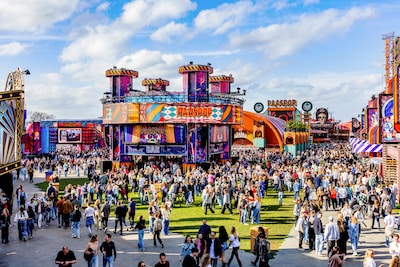
Festival organizations in the Netherlands faced a challenging summer marked by extreme weather, rising operational costs, and fluctuating ticket sales. Despite these significant hurdles, industry professionals remain optimistic due to the sector's inherent creativity and ability to adapt to difficult circumstances.

Gall & Gall and Etos websites back online, apps remain unreachable

Gall & Gall and Etos websites back online, apps remain unreachable

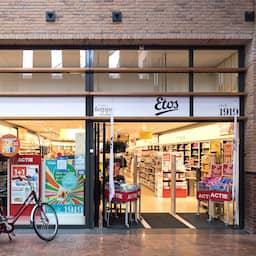
The websites for Gall & Gall, Etos, and Albert Heijn are back online following a recent cybersecurity incident at Ahold Delhaize, though some app features and delivery services remain restricted. While the investigation into the cause is ongoing, the company has confirmed no current evidence of data theft and normal supply chain operations have resumed.

Number of cybersecurity companies more than quadrupled in five years

Number of cybersecurity companies more than quadrupled in five years

The number of registered cybersecurity companies in the Netherlands has quadrupled since 2021, reaching 962 by October 2024. This rapid growth is driven by increasing cyber threats and regulatory changes, highlighting the ongoing challenge for organizations to protect their digital systems.

Low incomes spend more on childcare: can make a ten-euro monthly difference

Low incomes spend more on childcare: can make a ten-euro monthly difference

Childcare organizations in the Netherlands are increasingly charging rates that exceed government subsidies, placing a greater financial burden on low-income families. Experts warn that these rising costs could reduce childcare accessibility for children who would benefit most from early development services.