Flexible usage and occasional power outages must become the new normal
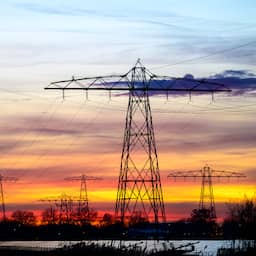
The Netherlands is experiencing severe electrical grid congestion, leading to calls for more flexible energy consumption habits to prevent system overload. Experts suggest that households and businesses should shift their power usage to off-peak hours, though this change may result in a future where occasional power interruptions become more common.
The Netherlands faces a significant challenge with its electrical grid, which is currently at capacity in many areas, delaying connections for hundreds of thousands of new homes. To manage this congestion, experts are calling for a shift toward more flexible energy usage, encouraging households and businesses to consume electricity during off-peak hours when demand is lower. By adjusting habits—such as running appliances at night or charging electric vehicles during low-demand periods—consumers can avoid grid overload while potentially reducing their costs through dynamic pricing contracts.
However, this transition towards a flexible energy model may require citizens to accept less certainty regarding constant power availability. The Authority for Consumers and Markets (ACM) hosted a symposium to discuss the future of the European energy system, emphasizing that occasional power outages might become a new reality as the country shifts toward a climate-neutral and more sovereign energy infrastructure. Adopting these new patterns, supported by price incentives and smart technology, is seen as essential for maintaining affordability during this complex energy transition.
Based on reporting by nu. Translated and condensed by LocalHeadlines.