Shipping in Strait of Hormuz comes to a near standstill
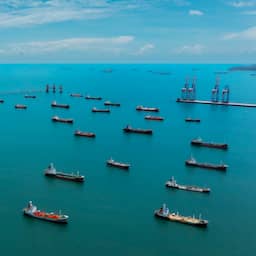
The Strait of Hormuz has been blocked for months due to ongoing conflict, causing a massive disruption to global oil and gas supplies and pushing fuel prices to record highs. While Iran and the United States are currently engaged in negotiations to end the blockade, the lack of a resolution continues to exacerbate global energy shortages.
The Strait of Hormuz has been effectively blocked since the onset of the current conflict, halting a route responsible for 20 percent of global daily crude oil and liquefied natural gas shipments. This blockage has left hundreds of tankers stranded for months, leading to significant damage to regional energy infrastructure and driving up global energy prices. Consequently, fuel prices have reached record levels, with gasoline currently costing 2.727 euros per liter and diesel reaching 2.794 euros according to UnitedConsumers.
Diplomatic efforts are underway as delegations from Iran and the United States negotiate a potential ceasefire. Iranian President Masoud Pezeshkian has stated that Iran is willing to reopen the strait if the United States lifts its blockade on Iranian ports. However, analysts warn that with no clear resolution in sight, global oil shortages are expected to worsen. As a result, energy prices are projected to remain high until the conflict is resolved and the shipping route is reopened.
Based on reporting by nu. Translated and condensed by LocalHeadlines.