nu

AI scammers impersonate CEO and steal millions from Italian bank
AI scammers impersonate CEO and steal millions from Italian bank

Fraudsters used AI-generated voices to impersonate executives and deceive Fideuram into transferring 95 million euros to foreign accounts. Authorities managed to recover 53 million euros, while investigations into the suspects and the remaining missing funds continue.

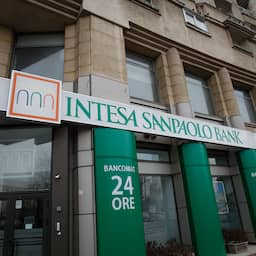
In February, fraudsters successfully impersonated top executives to steal 95 million euros from Fideuram, the private banking division of the Italian bank Intesa Sanpaolo. Using AI-generated voice technology, the scammers posed as a high-ranking CEO and a partner from a prestigious law firm to pressure former chairman Paolo Molesini into authorizing urgent international transfers. The funds were sent to various accounts in China and Hong Kong before being converted into cryptocurrency. Following the discovery of the fraudulent activity, authorities in Italy, China, and Portugal intervened to recover approximately 53 million euros. Despite this recovery, at least 36 million euros remains missing. Prosecutors in Milan are currently investigating an unidentified foreign suspect, although no arrests have been made. While Molesini resigned from his position shortly after the incident, he is not considered a subject of the criminal investigation. This case highlights a growing trend of AI-enabled financial crime, following a similar incident last year involving a prominent Italian businessman.

Based on reporting by nu. Translated and condensed by LocalHeadlines.

Related articles

Global stock markets fall on AI concerns

Global stock markets fall on AI concerns

Global stock markets have experienced significant declines driven by growing investor anxiety over debt levels and potential demand slowdowns in the artificial intelligence sector. Major indices, including the Nasdaq and various Asian benchmarks, saw substantial losses as chipmakers and tech-related stocks faced a worldwide sell-off.

Empty shelves, saunas in the coolers: our essential services are vulnerable to cyber incidents

Empty shelves, saunas in the coolers: our essential services are vulnerable to cyber incidents

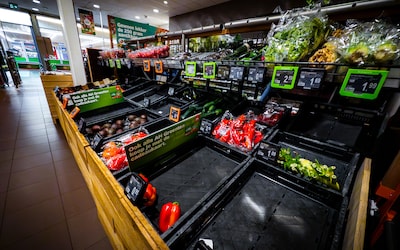
The grocery sector is increasingly facing cybersecurity threats, leading to incidents such as empty store shelves and malfunctioning cooling equipment. Experts warn that these vulnerabilities in essential services could cause further public instability if security measures are not improved.

EU selects 46 raw materials projects to reduce dependence on China

EU selects 46 raw materials projects to reduce dependence on China

The European Commission has launched 46 projects across sixteen countries to reduce reliance on China for vital raw materials like lithium and copper. These initiatives, supported by prioritized permits and funding assistance, aim to significantly boost domestic processing and recycling capacity by 2030.

Electric cars are driving further into Europe, but watch out for hidden costs in France

Electric cars are driving further into Europe, but watch out for hidden costs in France

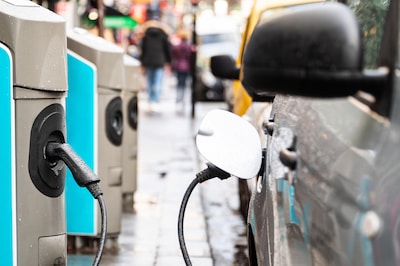
Dutch electric vehicle drivers are increasingly traveling further across Europe, but the ANWB warns that hidden costs like blocking fees remain a problem in countries such as France. Drivers are advised to check tariff details in charging apps to avoid significant unexpected charges for staying connected to a station after a battery is full.

IMF: Public debt, energy demand and energy prices threaten global economy

IMF: Public debt, energy demand and energy prices threaten global economy

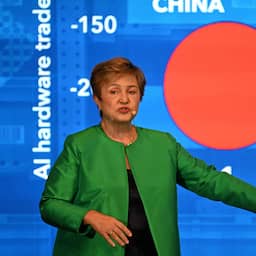
The IMF has warned that the global economy faces significant threats from rising national debt, increasing energy demand driven by AI, and high energy prices. These economic pressures are creating growing inequality between nations, prompting the organization to call for immediate international policy action.