nu

How the self-checkout makes our lives more efficient and more suspicious
How the self-checkout makes our lives more efficient and more suspicious

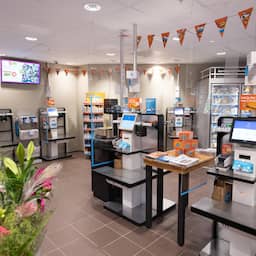
Supermarkets are increasingly replacing traditional cashiers with self-checkout systems to prioritize space and efficiency. This shift has changed the role of staff from service providers to security monitors, raising concerns about working conditions, the loss of human connection, and increased consumer distrust.

Self-checkout lanes have become a common fixture in Dutch supermarkets over the last decade, as stores prioritize space efficiency and consumer demand for speed. Industry representatives argue that these systems allow for more checkout points, but the shift has fundamentally altered the role of retail staff. Employees who were once customer service providers are now increasingly tasked with monitoring for theft and resolving technical errors. Experts like Linda Kool suggest that while this shift promotes time efficiency, it removes valuable human interaction and places the burden of shadow work onto both consumers and stressed, often young, staff members who must handle potential aggression.

The union FNV Handel has raised concerns regarding the working conditions of supermarket employees, particularly teenagers who may face intimidation when enforcing security checks. As traditional service roles disappear, some grocery chains are attempting to mitigate the loss of human connection through initiatives like chat checkouts and communal staff activities. Ultimately, experts argue that society should critically evaluate whether the pursuit of technological efficiency is worth the decline in positive human interaction and the increased potential for suspicion in everyday retail environments.

Based on reporting by nu. Translated and condensed by LocalHeadlines.
Related articles

Looking, looking, and fake buying: the dopamine hit without the costs

Looking, looking, and fake buying: the dopamine hit without the costs

New online shopping platforms are gaining popularity by allowing users to curate collections of products without the ability to actually purchase them. Experts suggest these sites serve as a psychological tool to help curb impulsive consumerism by providing the satisfaction of browsing without the financial cost.

Long wait times at Schiphol due to electronic passport control failure

Long wait times at Schiphol due to electronic passport control failure

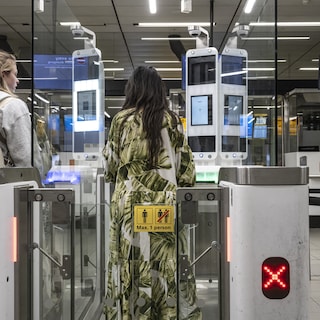
Schiphol Airport is facing significant passenger delays after a technical failure incapacitated its automated eGate passport control system on Sunday morning. Royal Netherlands Marechaussee officers are currently conducting manual checks as they investigate the cause of the malfunction, which is not believed to be a cyberattack.

ETIAS travel authorization not yet mandatory, but fake websites are already offering them

ETIAS travel authorization not yet mandatory, but fake websites are already offering them

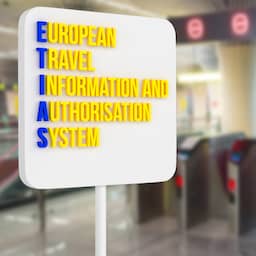
Authorities warn that over 150 fraudulent websites are currently offering fake ETIAS travel authorizations, despite the official system not yet being active. Travelers are advised that when the program launches in 2027, they should only use the designated official European Union website to avoid financial scams and data theft.

Houses on Funda unrecognizable due to AI photos: 'Didn't feel like viewing'

Houses on Funda unrecognizable due to AI photos: 'Didn't feel like viewing'

Dutch real estate agents are increasingly using AI-generated photos on Funda to showcase renovation possibilities, though some listings have faced criticism for misleadingly altering property features. Funda has implemented strict rules requiring AI labels and prohibiting deceptive representations, while experts urge buyers to verify all images against official floor plans.

Electric cars are driving further into Europe, but watch out for hidden costs in France

Electric cars are driving further into Europe, but watch out for hidden costs in France

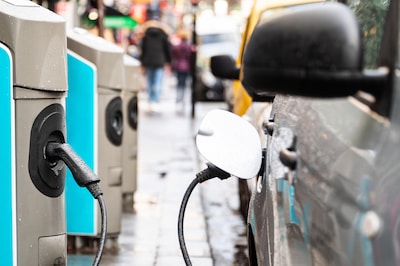
Dutch electric vehicle drivers are increasingly traveling further across Europe, but the ANWB warns that hidden costs like blocking fees remain a problem in countries such as France. Drivers are advised to check tariff details in charging apps to avoid significant unexpected charges for staying connected to a station after a battery is full.