nu

Municipalities expand paid parking due to financial deficits
Municipalities expand paid parking due to financial deficits

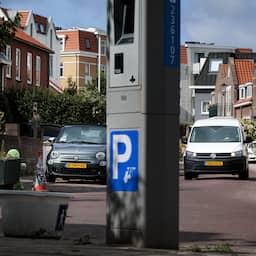
Municipalities in the Netherlands are expanding paid parking zones to secure additional revenue to offset chronic budget deficits. This shift is driven by reduced central government funding and increasing local financial pressures, leading to significant pushback from residents and businesses in affected areas like Rotterdam.

Municipalities across the Netherlands are increasingly implementing or expanding paid parking zones to address persistent budget deficits. While officials often frame these measures as tools to manage scarce urban space, experts note that the additional revenue is essential for balancing local budgets. This trend is becoming more common as local governments face financial pressure from both internal spending ambitions and declining funding from the national government through the Municipal Fund.

In cities like Rotterdam, plans to introduce paid parking in thirteen new neighborhoods have met with significant resistance. For instance, the Nesselande district has seen over ten thousand signatures on a petition opposing these changes. Because parking fees are not legally earmarked for specific services, unlike waste management levies, they offer municipalities flexible funds to cover general expenses. As central government support shrinks, local authorities are increasingly turning to these levies as a necessary financial lifeline to sustain their operations.

Based on reporting by nu. Translated and condensed by LocalHeadlines.
Related articles

22,000 homes at risk due to cabinet funding shortfall: ‘We must also solve the housing crisis’

22,000 homes at risk due to cabinet funding shortfall: ‘We must also solve the housing crisis’

A lack of government funding for public transport infrastructure threatens the construction of 22,000 new homes across the Netherlands. Stakeholders warn that these housing projects are at risk because they rely on new transit connections to remain viable.

The Greenhouse | I prefer to jump on the facts rather than the barricade

The Greenhouse | I prefer to jump on the facts rather than the barricade

A climate journalist explores the tension between objective reporting and the pressure to advocate for systemic change to combat the climate crisis. The author concludes that journalists should remain factual rather than activist to effectively reach a wide and diverse audience.

Trade with Russia remains lucrative, but companies face risks

Trade with Russia remains lucrative, but companies face risks

Despite 21 rounds of European Union sanctions against Russia, some businesses continue to profit by using third-party countries to bypass export restrictions. Experts warn that while such trade is lucrative, it carries significant legal risks, including criminal prosecution and prison time for those who intentionally circumvent these measures.

Private landlords are renting out fewer properties in the city: "A problem for students"

Private landlords are renting out fewer properties in the city: "A problem for students"

Private rental properties in Amsterdam have decreased by 18 percent in three years as landlords sell their units due to new rent control laws and increased taxation. While this shift favors buyers, it creates a significant housing crisis for students and individuals who cannot afford to purchase property in the city.

Seizure of 'Antifa server' at US request leads to questions and concerns

Seizure of 'Antifa server' at US request leads to questions and concerns

Dutch authorities have seized a server belonging to the Italian hosting provider Autistici/Inventati at the request of the United States. The U.S. government classifies the company as a terrorist entity, sparking concerns among Dutch digital rights groups and industry associations regarding the precedent for such cross-border legal actions.