nu

German government to fill gas reserves due to uncertain situation
German government to fill gas reserves due to uncertain situation

Germany has ordered an increase in its national gas reserves to ensure supply stability during the upcoming winter amid geopolitical concerns. Meanwhile, the Netherlands is also monitoring its lower-than-usual storage levels, with experts warning that current emergency stockpiles might be insufficient for prolonged disruptions.

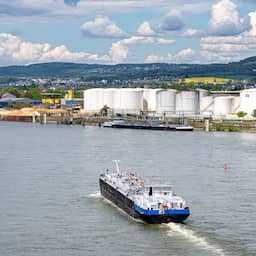
The German government has ordered the company SEFE to increase its gas reserves by 8 terawatt-hours by mid-December due to ongoing geopolitical uncertainties. While current storage levels in Germany stand at approximately 58 percent, the government views this directive as a precautionary measure to guarantee supply throughout the winter and as a clear signal for other commercial entities to bolster their own stock. This move aims to mitigate risks associated with potential energy supply disruptions.

In the Netherlands, underground gas storage facilities are currently filled to over 59 percent capacity, which represents a decline compared to the 70 percent level recorded at the same time last year. Gasunie Transport Services has recently advocated for a larger strategic reserve, noting that the temporary 5 terawatt-hour emergency stockpile commissioned by the government earlier this summer may prove insufficient should a significant supply interruption persist for an extended period.

Based on reporting by nu. Translated and condensed by LocalHeadlines.

Related articles

The Greenhouse | I prefer to jump on the facts rather than the barricade

The Greenhouse | I prefer to jump on the facts rather than the barricade

A climate journalist explores the tension between objective reporting and the pressure to advocate for systemic change to combat the climate crisis. The author concludes that journalists should remain factual rather than activist to effectively reach a wide and diverse audience.

Trade with Russia remains lucrative, but companies face risks

Trade with Russia remains lucrative, but companies face risks

Despite 21 rounds of European Union sanctions against Russia, some businesses continue to profit by using third-party countries to bypass export restrictions. Experts warn that while such trade is lucrative, it carries significant legal risks, including criminal prosecution and prison time for those who intentionally circumvent these measures.

Seizure of 'Antifa server' at US request leads to questions and concerns

Seizure of 'Antifa server' at US request leads to questions and concerns

Dutch authorities have seized a server belonging to the Italian hosting provider Autistici/Inventati at the request of the United States. The U.S. government classifies the company as a terrorist entity, sparking concerns among Dutch digital rights groups and industry associations regarding the precedent for such cross-border legal actions.

Russia welcomed back to IMF, Netherlands walks out during Russian speech

Russia welcomed back to IMF, Netherlands walks out during Russian speech

Dutch Finance Minister Eelco Heinen and several other delegations staged a walkout during an IMF meeting in Bangkok to protest the presence of sanctioned Russian officials. Minister Heinen emphasized that attending the session alongside these representatives would normalize ongoing Russian aggression.

Future of key climate report uncertain after failed negotiations

Future of key climate report uncertain after failed negotiations

Negotiations for the next IPCC climate assessment report have stalled due to disagreements over its release timeline and budget. While many countries want the report ready for the 2028 international climate policy review, others are pushing for delays, creating uncertainty regarding the organization's future operations.