rss

High energy costs also grip ice rinks: "Quite tense"
High energy costs also grip ice rinks: "Quite tense"

Ice rinks across the Netherlands are preparing for the upcoming season while managing high energy costs associated with maintaining ice floors. Many venues are successfully utilizing sustainable technologies like solar panels and heat recovery systems to keep operational expenses stable.

As the skating season approaches in the Netherlands, ice rink operators are navigating the challenges of rising energy costs required to maintain freezing temperatures. The process of building an ice floor, which takes approximately two weeks of layer-by-layer freezing, demands significant electricity for cooling systems. To mitigate these expenses, many facilities have implemented sustainable strategies, such as installing solar panels, improving insulation, and repurposing waste heat from cooling systems to warm other parts of their sports complexes.

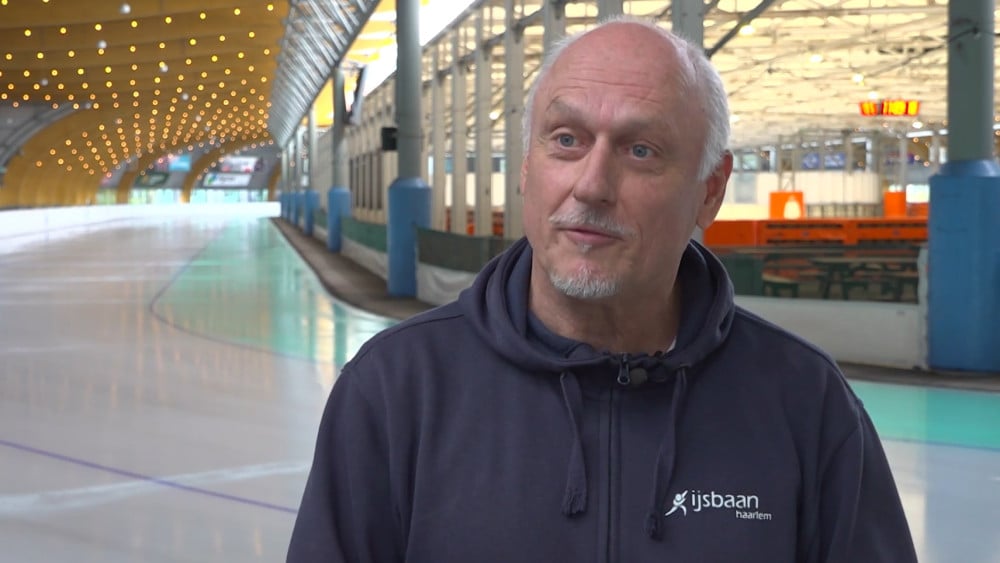
In Haarlem, the director of the IJsbaan Haarlem notes that while their current energy contract and 1,700 solar panels keep operations stable for now, they remain cautious about future price fluctuations. Similarly, the Jaap Eden IJsbaan in Amsterdam is managing energy demands through efficient cooling and contract planning. Despite the broader economic uncertainty surrounding energy prices, these facilities continue to innovate, ensuring that rinks remain operational and accessible for the public as the winter sports season begins.

Based on reporting by rss. Translated and condensed by LocalHeadlines.
Related articles

Long wait times at Schiphol due to electronic passport control failure

Long wait times at Schiphol due to electronic passport control failure

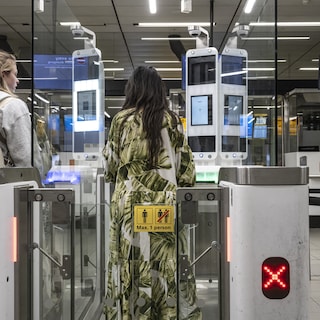
Schiphol Airport is facing significant passenger delays after a technical failure incapacitated its automated eGate passport control system on Sunday morning. Royal Netherlands Marechaussee officers are currently conducting manual checks as they investigate the cause of the malfunction, which is not believed to be a cyberattack.

Supermarkets benefit from AH incident but wish competitor well

Supermarkets benefit from AH incident but wish competitor well

Albert Heijn is experiencing major technical disruptions that have halted online deliveries and caused supply issues nationwide, prompting customers to flock to rival supermarkets. While competitors report increased traffic and sales, industry officials stress that the national food supply remains stable and secure.

Cyber incident costs Albert Heijn at least 10 million euros, experts estimate

Cyber incident costs Albert Heijn at least 10 million euros, experts estimate

Experts estimate that a recent cyber incident has cost supermarket chain Albert Heijn at least 10 million euros in lost revenue and operational expenses. The disruption has halted online ordering and caused supply chain issues in physical stores, leading to a significant drop in the parent company's market value.

Ahold Delhaize loses 787 million euros in market value in one day due to IT crisis

Ahold Delhaize loses 787 million euros in market value in one day due to IT crisis

Parent company Ahold Delhaize lost 787 million euros in market value in one day due to a major IT crisis impacting its retail chains. The technical disruption has caused logistics issues and empty shelves, though the company says it is working to resolve the situation.

Surprise over Meta CEO's comments on AI glasses, Dutch foundation files summary proceedings

Surprise over Meta CEO's comments on AI glasses, Dutch foundation files summary proceedings

Dutch advocacy group Offlimits is taking Meta to court to stop the sale of its AI smart glasses, citing widespread misuse of the device's camera for non-consensual filming. While Meta maintains the product is safe and defends its utility, the organization argues the device violates privacy laws and poses a significant threat to public safety.