nu

German employees at Mercedes-Benz and BMW face job losses
German employees at Mercedes-Benz and BMW face job losses

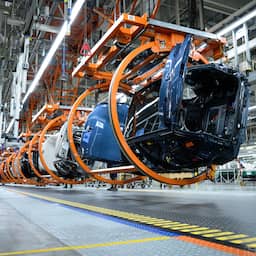
Automakers BMW and Mercedes-Benz are cutting jobs in Germany to address declining demand and increased competition from Chinese manufacturers. BMW is integrating artificial intelligence to replace some management functions, while Mercedes-Benz has warned of potential factory closures if cost-cutting targets are not met.

Major German automakers Mercedes-Benz and BMW are implementing significant workforce reduction measures due to weakening car demand and rising competition from China. BMW plans to automate various management tasks using artificial intelligence while cutting approximately one-fifth of non-management office positions, following an earlier agreement to eliminate eight thousand roles. The company aims to optimize its cost structure to remain competitive in the evolving automotive sector.

Meanwhile, Mercedes-Benz has reintroduced a voluntary departure scheme for its German employees to curb rising operational expenses. The company has warned that failing to achieve necessary cost reductions could result in the closure of two domestic manufacturing plants, a prospect that has already sparked protests among the workforce. With Mercedes employing 108,000 people and BMW supporting over 150,000 jobs in Germany, these cuts represent a significant shift for the nation's automotive industry as manufacturers prepare for difficult market conditions.

Based on reporting by nu. Translated and condensed by LocalHeadlines.

Related articles

French shopkeepers fear millions in losses after looting and destruction

French shopkeepers fear millions in losses after looting and destruction

French retailers are bracing for millions in damages after widespread looting and vandalism struck numerous cities, including Paris and Bordeaux, during recent riots. The government has promised to expedite support and facilitate discussions between business owners and insurers to address the significant financial impact on affected enterprises.

From near extinction to a thriving fishery: how Portugal’s sardine population was saved

From near extinction to a thriving fishery: how Portugal’s sardine population was saved

After facing near-extinction due to overfishing, Portugal's sardine population is recovering thanks to a successful management plan. This restoration has revitalized the local fishing industry while ensuring the fish remains a sustainable and healthy staple of the Portuguese diet.

Trade with Russia remains lucrative, but companies face risks

Trade with Russia remains lucrative, but companies face risks

Despite 21 rounds of European Union sanctions against Russia, some businesses continue to profit by using third-party countries to bypass export restrictions. Experts warn that while such trade is lucrative, it carries significant legal risks, including criminal prosecution and prison time for those who intentionally circumvent these measures.

France admits British cars can be labeled as Made in Europe

France admits British cars can be labeled as Made in Europe

France and Germany have agreed to a compromise for the Industrial Accelerator Act, allowing British cars to qualify as European under specific trade conditions. This exemption requires the UK to adopt European trade measures against Chinese automotive imports, balancing industrial protectionism with market access.

Westeinder campsite residents back in court: 'compensation too low'

Westeinder campsite residents back in court: 'compensation too low'

Residents of Camping De Westeinder have returned to court in Haarlem to challenge the inadequate compensation offered by developer Kleen Estate for their forced relocation. Many residents rely on the park for permanent housing due to the local housing crisis and argue that the current offers are insufficient to cover relocation costs or provide alternative shelter.