ad

Joint frigate contract with Belgium at risk due to delays and high costs of controversial shipbuilder

Joint frigate contract with Belgium at risk due to delays and high costs of controversial shipbuilder

The joint Dutch-Belgian project to build six frigates is at risk due to significant construction delays and rising costs from the shipbuilder Damen. Belgium is now considering alternative international suppliers to ensure it maintains naval capabilities before its older vessels are retired in 2030.

The joint Netherlands-Belgium naval project to construct six anti-submarine warfare frigates is facing significant challenges due to rising costs and delivery delays from the Dutch shipbuilder Damen. Belgium is currently investigating alternative international suppliers, such as those from Italy, because the current project timeline suggests the new vessels will not be operational until 2034. This delay creates a critical gap for the Belgian Navy, as their existing frigates are scheduled for decommissioning by 2030. General Frederik Vansina emphasized the urgency of maintaining naval capabilities while noting that exploring other options is a necessary precaution for national defense.

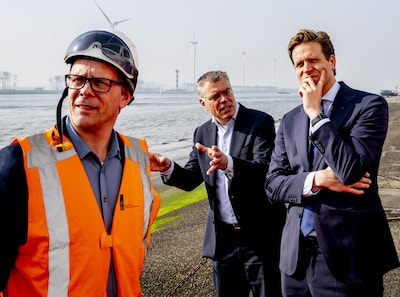
Adding to the instability are serious legal issues facing Damen, which is currently the subject of a major criminal investigation. The company and several executives are accused of money laundering, bribery, document forgery, and violating sanctions against Russia. A potential conviction could lead to the exclusion of the shipbuilder from future government contracts. Officials from both nations, including Dutch Secretary of State Derk Boswijk and Belgian Minister Theo Francken, are currently engaged in high-level discussions to determine whether the collaboration can be salvaged or if Belgium must seek alternative procurement solutions.

Based on reporting by ad. Translated and condensed by LocalHeadlines.

Related articles

Trade with Russia remains lucrative, but companies face risks

Trade with Russia remains lucrative, but companies face risks

Despite 21 rounds of European Union sanctions against Russia, some businesses continue to profit by using third-party countries to bypass export restrictions. Experts warn that while such trade is lucrative, it carries significant legal risks, including criminal prosecution and prison time for those who intentionally circumvent these measures.

Private landlords are renting out fewer properties in the city: "A problem for students"

Private landlords are renting out fewer properties in the city: "A problem for students"

Private rental properties in Amsterdam have decreased by 18 percent in three years as landlords sell their units due to new rent control laws and increased taxation. While this shift favors buyers, it creates a significant housing crisis for students and individuals who cannot afford to purchase property in the city.

No funding for Zuidasdok megaproject in new cabinet plans

No funding for Zuidasdok megaproject in new cabinet plans

The Dutch government has frozen funding for the northern part of the Zuidasdok project to prioritize the maintenance of existing national infrastructure. This decision delays one of the country's largest development projects, sparking concerns in Amsterdam over long-term economic and accessibility impacts.

From Nedersaksen line to A20 highway: billion-euro deficit forces cabinet to make tough infrastructure choices this week

From Nedersaksen line to A20 highway: billion-euro deficit forces cabinet to make tough infrastructure choices this week

The Dutch government is set to make challenging decisions this week on infrastructure investment due to a multi-billion euro budget deficit. Officials must weigh the urgent need to repair aging roads and bridges against the viability of new projects like the Nedersaksenlijn and the A20 highway.

It is tough, it is technical, but the solution for box 3 is also hyper-political

It is tough, it is technical, but the solution for box 3 is also hyper-political

The Dutch cabinet is struggling to find a parliamentary majority for its tax plans, specifically regarding the controversial Box 3 issue. The government is currently navigating a difficult negotiation process between conflicting demands from right-wing opposition parties and internal disagreements within the three-party coalition.