rss

These North Holland farmers are seeking creative side incomes
These North Holland farmers are seeking creative side incomes

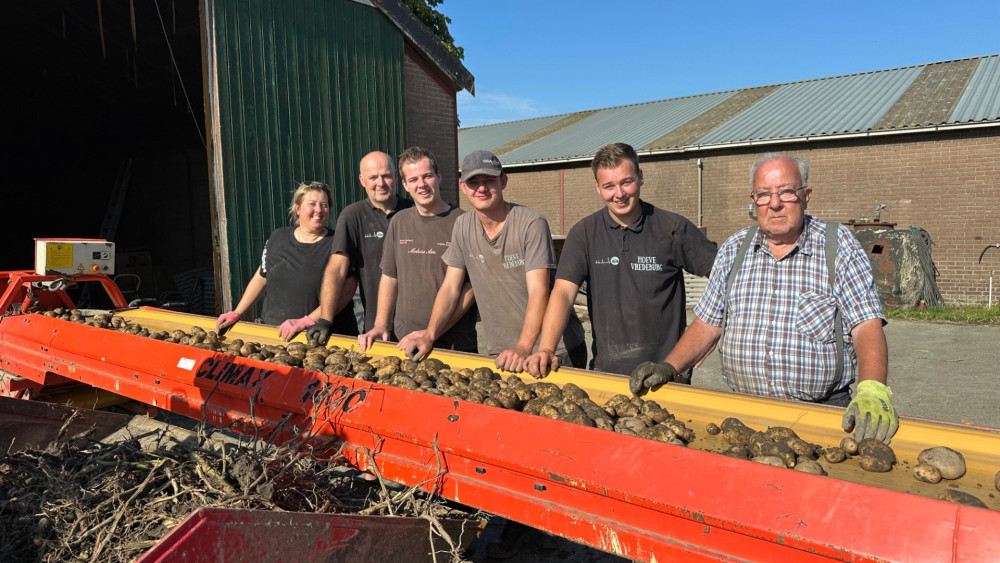
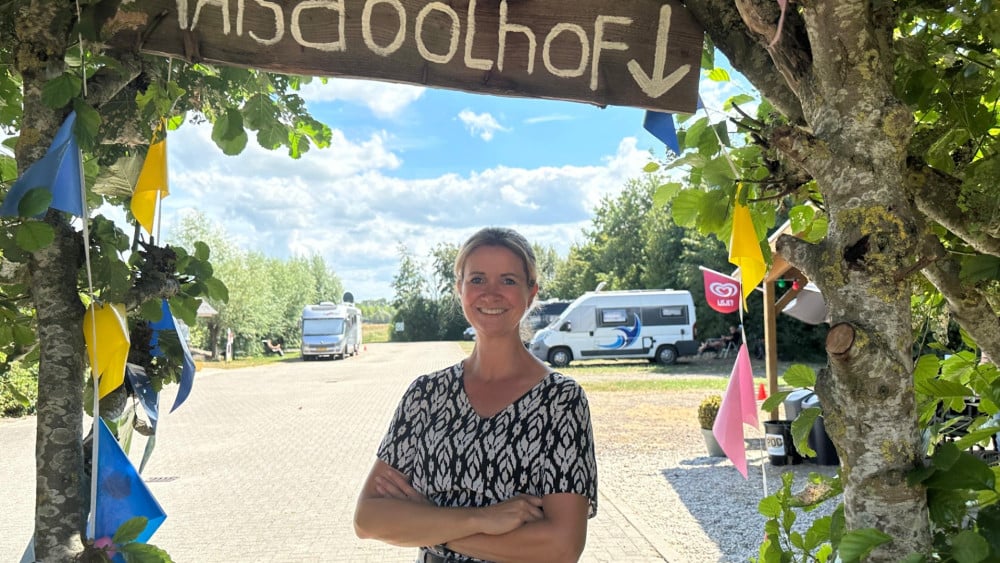
Sixty percent of farmers in North Holland are diversifying their businesses with non-agricultural activities to ensure financial stability amidst industry uncertainty. These additional ventures, ranging from childcare to retail, have seen substantial revenue growth and now serve as a vital buffer against fluctuations in the primary farming sector.

Many farmers in the province of North Holland are increasingly diversifying their operations to remain economically viable. Sixty percent of farms in the region now engage in non-agricultural activities such as farm shops, campsites, childcare services, or recreational mazes, a trend that consistently outpaces the national average. Statistics reveal a massive growth in the sector's revenue, climbing from 300 million euros in 2007 to 1.68 billion euros by 2023. For many families, these secondary businesses have evolved from a supplementary income source into a crucial financial buffer against volatile crop prices and agricultural uncertainty.

Experts note that while financial necessity drives many to diversify, personal interests and social motives also play significant roles. Farmers are integrating childcare or nature conservation based on their specific skills and backgrounds. As the agricultural sector faces ongoing economic and ecological pressure, these secondary activities offer a strategic way to mitigate risks. Many producers now view diversification as a long-term survival strategy, especially as future regulations for the industry remain unclear.

Based on reporting by rss. Translated and condensed by LocalHeadlines.
Related articles

Butcher surprised by drop in meat consumption: 'Customers keep coming'

Butcher surprised by drop in meat consumption: 'Customers keep coming'

Meat consumption in the Netherlands has dropped by 12 percent over the last ten years, driven largely by the rising cost of beef and pork. Despite this national decline, specialized butcher shops remain stable by diversifying their product assortments and catering to customers who prioritize quality.

Farmer and toy seller: why be a farmer if you can't make a living from it?

Farmer and toy seller: why be a farmer if you can't make a living from it?

The Houdijk family in Abbenes keeps their farm running by supplementing crop production with a successful toy shop and off-farm employment. Despite the financial instability of the agricultural sector, the next generation remains committed to continuing the family business because of their passion for the lifestyle.

Westeinder campsite residents back in court: 'compensation too low'

Westeinder campsite residents back in court: 'compensation too low'

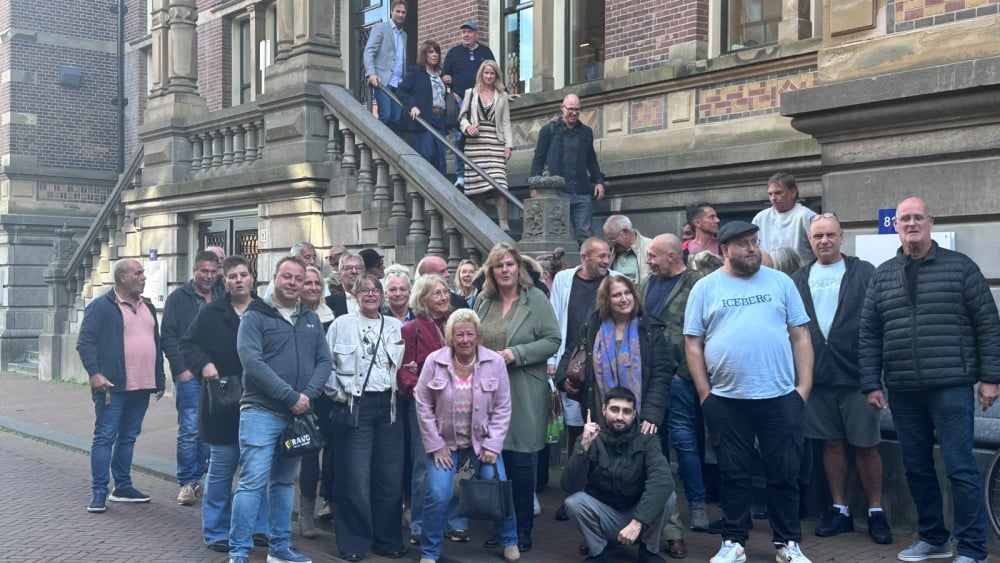
Residents of Camping De Westeinder have returned to court in Haarlem to challenge the inadequate compensation offered by developer Kleen Estate for their forced relocation. Many residents rely on the park for permanent housing due to the local housing crisis and argue that the current offers are insufficient to cover relocation costs or provide alternative shelter.

Too Good To Go adds plants and shampoo to its magic boxes

Too Good To Go adds plants and shampoo to its magic boxes

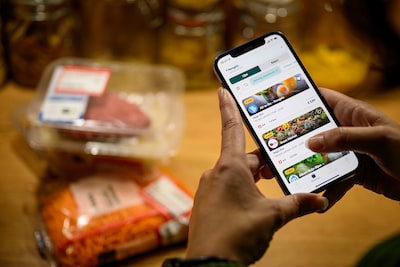
The anti-waste platform Too Good To Go is expanding its 'Magic Box' offerings beyond food to include items like plants, shampoo, and home goods. Since its launch in the Netherlands eight years ago, the company has saved 40 million meals and aims to further reduce retail waste through new retail partnerships.

Private landlords in Haarlem sell off property: 1,235 fewer rental homes last year

Private landlords in Haarlem sell off property: 1,235 fewer rental homes last year

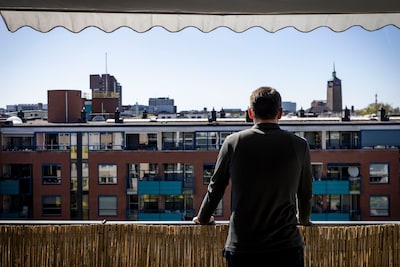
Private landlords in Haarlem sold off 1,235 rental properties last year, significantly reducing housing options for middle-income residents. The decline is attributed to stricter government regulations and higher taxes, which have made private renting less financially attractive across the Netherlands.