nu

Consumers pay more for other products due to high energy prices
Consumers pay more for other products due to high energy prices

Surging energy prices caused by the Iran-US conflict are driving inflation in the Netherlands, leading to higher costs for fuel, food, and various consumer goods. Economists predict that while the impact may be less severe than previous crises due to fixed energy contracts, high prices are likely to persist in the long term.

Rising energy prices are fueling inflation, as businesses pass increased operational costs onto consumers. A major driver of this trend is the conflict between Iran and the United States, which has blocked the Strait of Hormuz and disrupted global oil supplies. Consequently, Brent oil prices have surged, leading to record-high fuel costs at the pump across Europe. Experts note that these energy pressures are not only impacting transportation but are also expected to increase the price of food, industrial machinery, and services like travel.

While economists acknowledge the rising costs, they anticipate that the current situation will have less of an impact on households than the initial energy crisis triggered by the war between Ukraine and Russia. This is largely because many consumers currently benefit from fixed-rate energy contracts. Despite this, long-term inflation remains a concern, with forecasts suggesting rates will remain elevated through 2027. Experts caution that these price hikes are likely to persist as long as the geopolitical tensions in the Middle East continue without a diplomatic resolution.

Based on reporting by nu. Translated and condensed by LocalHeadlines.
Related articles

New strike in regional transport: fewer buses and trains on Thursday

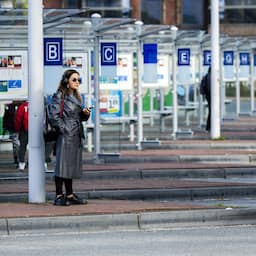
New strike in regional transport: fewer buses and trains on Thursday

Regional transport workers in the Netherlands are set to hold another strike this Thursday, leading to reduced bus and train services. This action is part of an ongoing dispute over a new collective labor agreement, with unions planning weekly walkouts until Christmas if negotiations remain unresolved.

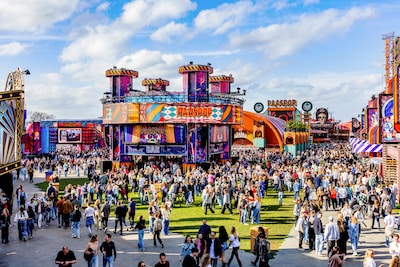
Not selling out is not a death blow for festival: 'But be careful not to price yourself out of the market'

Not selling out is not a death blow for festival: 'But be careful not to price yourself out of the market'

Festival organizations in the Netherlands faced a challenging summer marked by extreme weather, rising operational costs, and fluctuating ticket sales. Despite these significant hurdles, industry professionals remain optimistic due to the sector's inherent creativity and ability to adapt to difficult circumstances.

Gall & Gall and Etos websites back online, apps remain unreachable

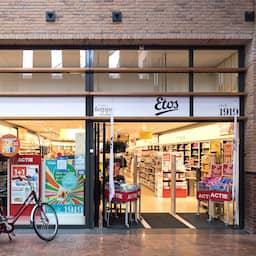
Gall & Gall and Etos websites back online, apps remain unreachable

The websites for Gall & Gall, Etos, and Albert Heijn are back online following a recent cybersecurity incident at Ahold Delhaize, though some app features and delivery services remain restricted. While the investigation into the cause is ongoing, the company has confirmed no current evidence of data theft and normal supply chain operations have resumed.

Number of cybersecurity companies more than quadrupled in five years

Number of cybersecurity companies more than quadrupled in five years

The number of registered cybersecurity companies in the Netherlands has quadrupled since 2021, reaching 962 by October 2024. This rapid growth is driven by increasing cyber threats and regulatory changes, highlighting the ongoing challenge for organizations to protect their digital systems.

Low incomes spend more on childcare: can make a ten-euro monthly difference

Low incomes spend more on childcare: can make a ten-euro monthly difference

Childcare organizations in the Netherlands are increasingly charging rates that exceed government subsidies, placing a greater financial burden on low-income families. Experts warn that these rising costs could reduce childcare accessibility for children who would benefit most from early development services.