rss

Halsema: number of tourists must be curbed, even if it costs the hospitality industry visitors
Halsema: number of tourists must be curbed, even if it costs the hospitality industry visitors

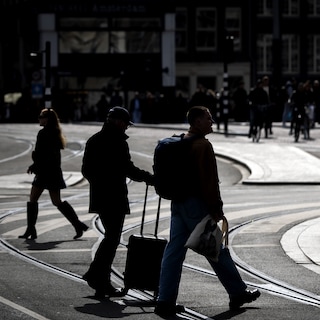
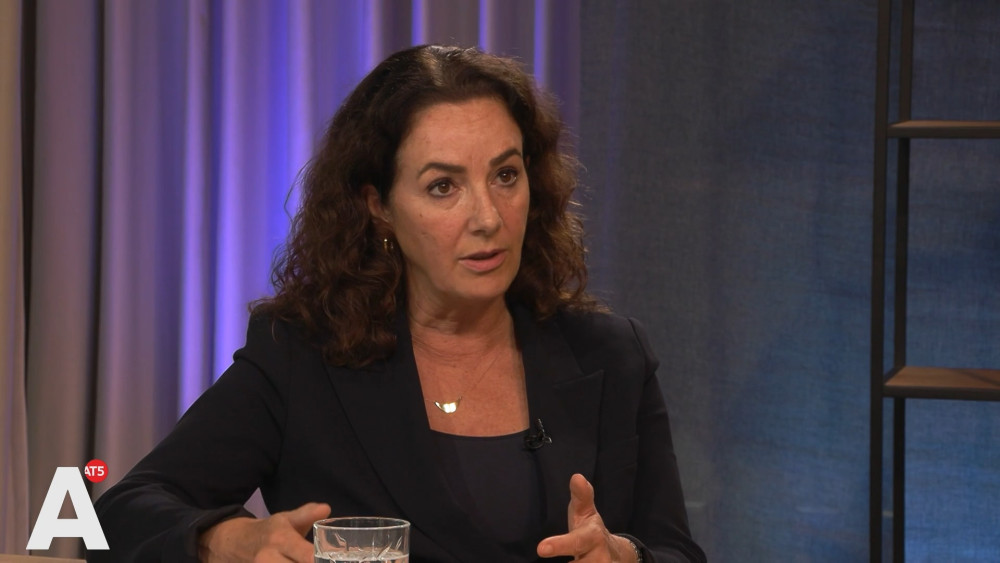
Amsterdam Mayor Femke Halsema has stated that the city must actively reduce the number of annual tourists to protect local livability and curb negative issues like waste. Although she acknowledges that limiting visitors may negatively affect hospitality revenue, she argues that the environmental and social costs of mass tourism are no longer sustainable.

Amsterdam Mayor Femke Halsema has announced that the city must take active measures to curb the annual influx of tourists. Currently, the city hosts 23 million visitors each year, a figure projected to rise to 30 million without intervention. Halsema argues that the negative consequences of this mass tourism, including excessive waste and a diminishing sense of local character, outweigh the economic benefits. She specifically noted that tourism accounts for only 8 percent of the city's overall prosperity, suggesting its importance is often overstated.

Controlling visitor numbers remains difficult as the levers for change, such as affordable air travel and short-term rental platforms like Airbnb, often lie outside the municipality's direct authority. Despite these challenges, Halsema insists that managing tourist volume is essential to preserve the city's livability. She acknowledged that these restrictions may negatively impact local hospitality businesses, but maintained that prioritizing the city's long-term social health over short-term commercial interests is an unavoidable necessity for the local government.

Based on reporting by rss. Translated and condensed by LocalHeadlines.

Related articles

End to intake freeze at Levvel, youths with severe issues can once again be admitted in Amsterdam

End to intake freeze at Levvel, youths with severe issues can once again be admitted in Amsterdam

Care organization Levvel has ended its intake freeze for Amsterdam youth following successful negotiations to secure more beds for those in need of severe residential care. While access has been restored, the municipality is demanding better coordination among providers and has initiated an independent financial audit of Levvel to ensure future stability.

Not just IDFA: Amsterdam’s wider cultural sector hit by rising hotel costs as tourist tax hike drives away key visitors

Not just IDFA: Amsterdam’s wider cultural sector hit by rising hotel costs as tourist tax hike drives away key visitors

Amsterdam's cultural sector, including major events like IDFA, ADE, and the Holland Festival, is struggling due to rising tourist taxes and hotel VAT. These increased costs are forcing organizers to raise ticket prices and reduce programming, threatening the accessibility and quality of the city's cultural offerings.

Private landlords are renting out fewer properties in the city: "A problem for students"

Private landlords are renting out fewer properties in the city: "A problem for students"

Private rental properties in Amsterdam have decreased by 18 percent in three years as landlords sell their units due to new rent control laws and increased taxation. While this shift favors buyers, it creates a significant housing crisis for students and individuals who cannot afford to purchase property in the city.

JARA seeks better connection with agencies: "Young people don't feel heard"

JARA seeks better connection with agencies: "Young people don't feel heard"

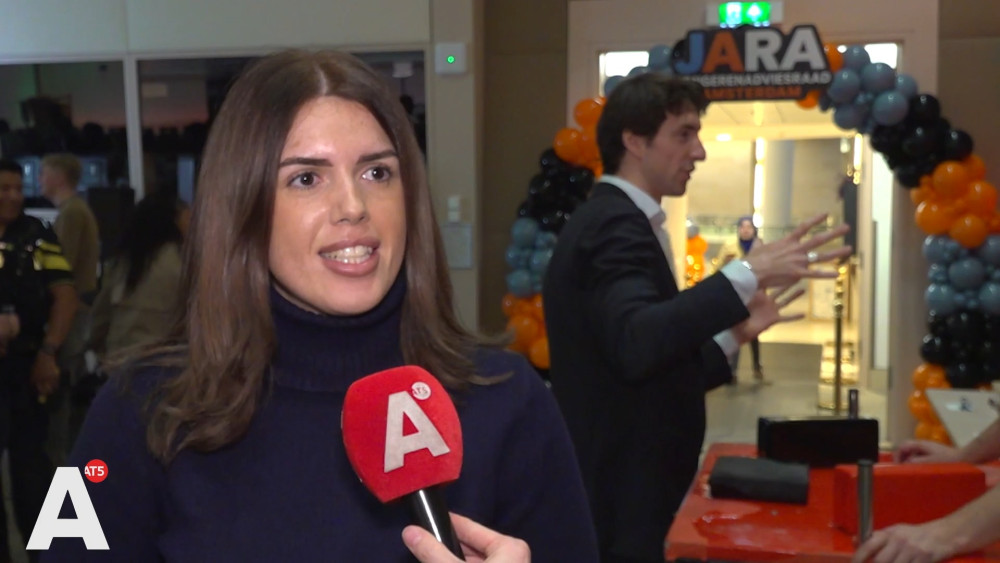
The Youth Advisory Body Amsterdam (JARA) hosted its first youth summit to improve communication between young people and municipal services, law enforcement, and political organizations. The initiative aims to help youth navigate various support systems for personal and health-related issues while bridging the disconnect between city departments.

30 years of ADE: how a small networking conference grew into the world's largest dance marathon

30 years of ADE: how a small networking conference grew into the world's largest dance marathon

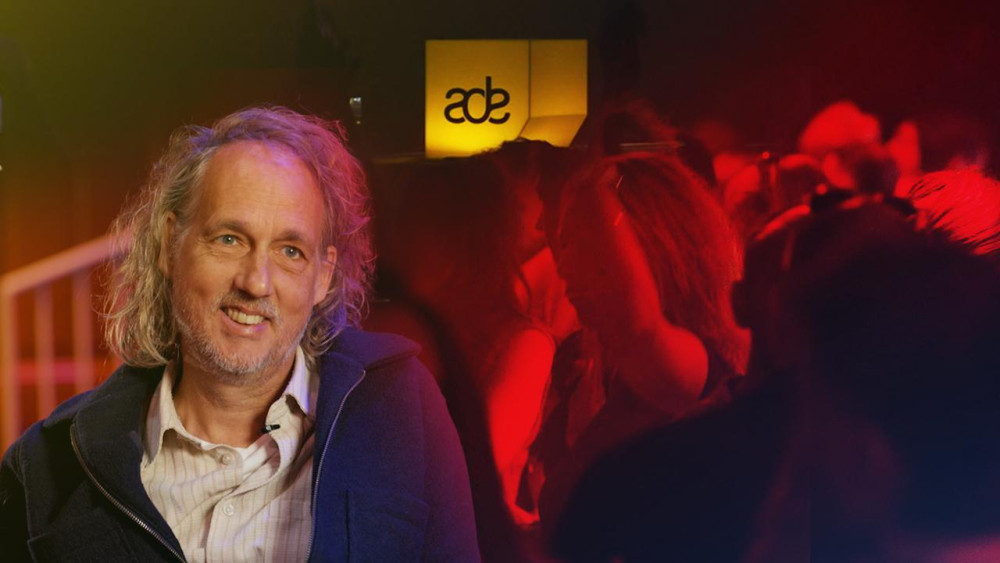
The Amsterdam Dance Event is celebrating its 30th anniversary, having grown from a small industry gathering into the world's largest dance festival. Over the past three decades, the event has helped transform electronic music into a recognized art form while solidifying the Netherlands' reputation as a global leader in the dance industry.